 Save to Pinterest
 I stumbled into makroudh on a dusty afternoon in a Tunisian souk, watching a grandmother's hands move faster than I could follow. She pressed semolina dough around date paste with such ease, I thought it must be simple. It wasn't. My first batch split open in the oil, filling leaked everywhere, and I nearly gave up. But the smell—warm cinnamon, orange blossom, honey—kept me trying until I got it right.
I made these for a friend's birthday once, and she cried. Not because they were perfect—they weren't—but because her grandmother used to make them every Ramadan. We sat on her kitchen floor, dipping makroudh in mint tea, and she told me stories I'll never forget. Food does that sometimes.
Ingredients
- Fine semolina: The backbone of the dough, it gives makroudh their signature grainy, tender texture that holds up beautifully in hot oil.
- Unsalted butter, melted: Adds richness and helps the semolina clump just enough to form a workable dough without turning it heavy.
- Olive oil: A nod to North African tradition, it keeps the dough soft and pliable, and adds a subtle fruity note.
- Warm water: Brings everything together gently—add it slowly, because semolina can be moody about hydration.
- Granulated sugar: Just a touch in the dough balances the spice and enhances the sweetness of the filling.
- Ground cinnamon: Warms the dough and the filling, tying the whole cookie together with familiar, cozy flavor.
- Pitted dates, chopped: The heart of makroudh, they cook down into a sticky, caramel-like paste that's naturally sweet and deeply satisfying.
- Ground nutmeg: A little goes a long way, adding a warm, slightly floral complexity to the date filling.
- Orange blossom water: This is optional, but it transforms the cookies into something fragrant and a little magical.
- Honey: The glaze that seals the deal, turning fried cookies into glossy, amber jewels.
- Sesame seeds: A final sprinkle for crunch and a nutty, toasted finish.
Tired of Takeout? 🥡
Get 10 meals you can make faster than delivery arrives. Seriously.
One email. No spam. Unsubscribe anytime.
Instructions
- Prepare the date filling:
- Combine dates, butter, cinnamon, and nutmeg in a saucepan over low heat, stirring until the dates break down into a soft, spreadable paste. Stir in orange blossom water if you want that floral lift, then let it cool and roll it into thin logs about the width of your finger.
- Make the dough:
- Mix semolina, sugar, salt, and cinnamon in a large bowl, then rub in the melted butter and olive oil until it looks like damp sand. Add warm water a little at a time, kneading gently until the dough comes together—soft but not sticky—then cover and let it rest so the semolina can absorb the moisture.
- Shape the cookies:
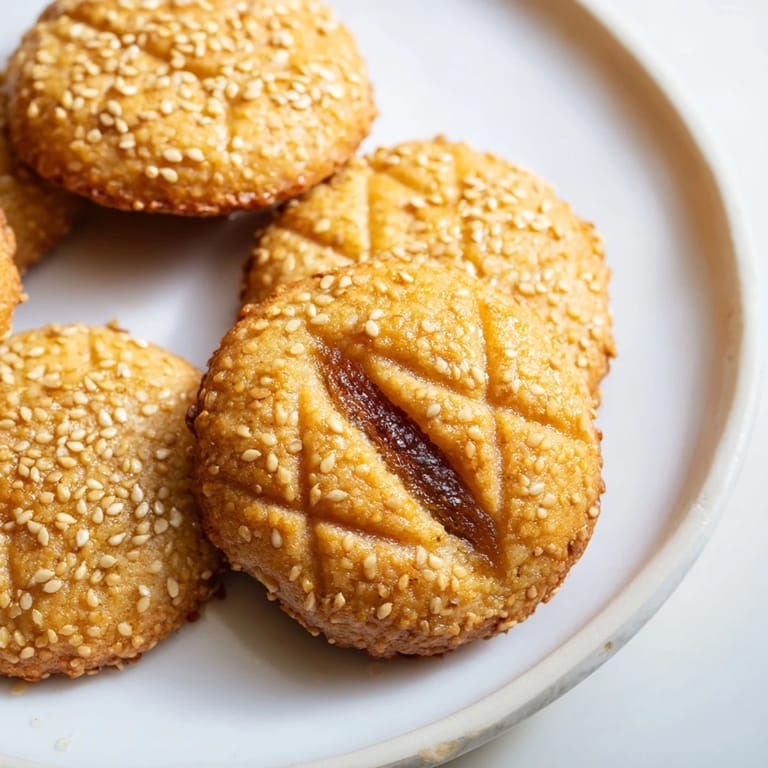
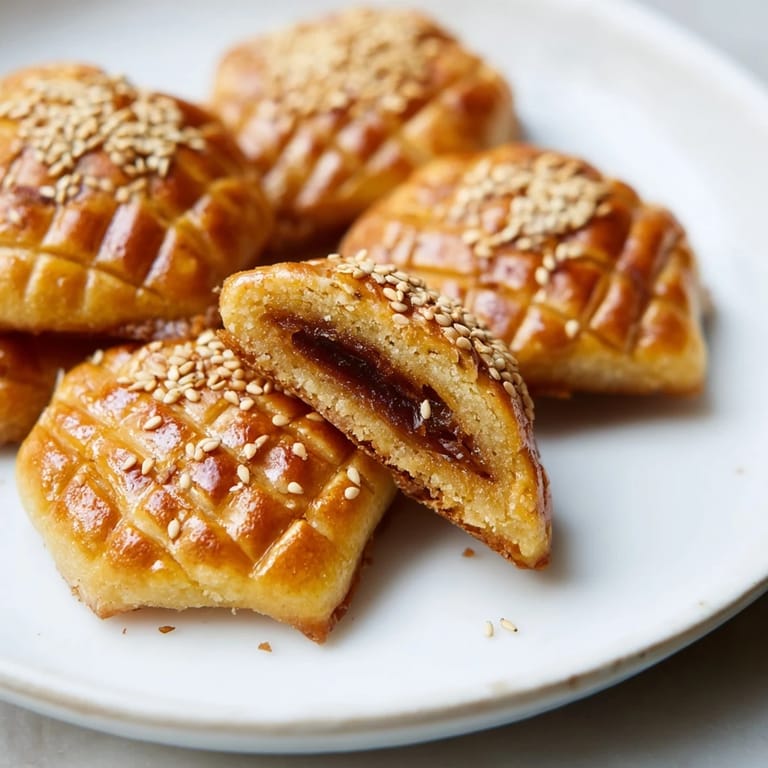
- Divide the dough in half and roll each portion into a thick log, then press a deep groove down the center with your finger. Nestle a date log into the groove, fold the dough over to seal, and roll gently to smooth it out before slicing diagonally into diamond shapes.
- Fry and glaze:
- Heat oil to 170°C and fry the makroudh in batches until they turn golden and crisp, about 5 to 7 minutes. Drain them well, then dip each one into warm honey mixed with orange blossom water and let them cool on a wire rack, where they'll firm up and get beautifully sticky.
 Save to Pinterest
 The first time I nailed the shape, I felt like I'd unlocked a secret. My hands finally understood what that grandmother in the souk had known all along—that the dough wants to be handled gently, not forced. I sat at my kitchen table with a plate of golden makroudh, sticky fingers, and a ridiculous grin on my face.
How to Know When Theyre Done
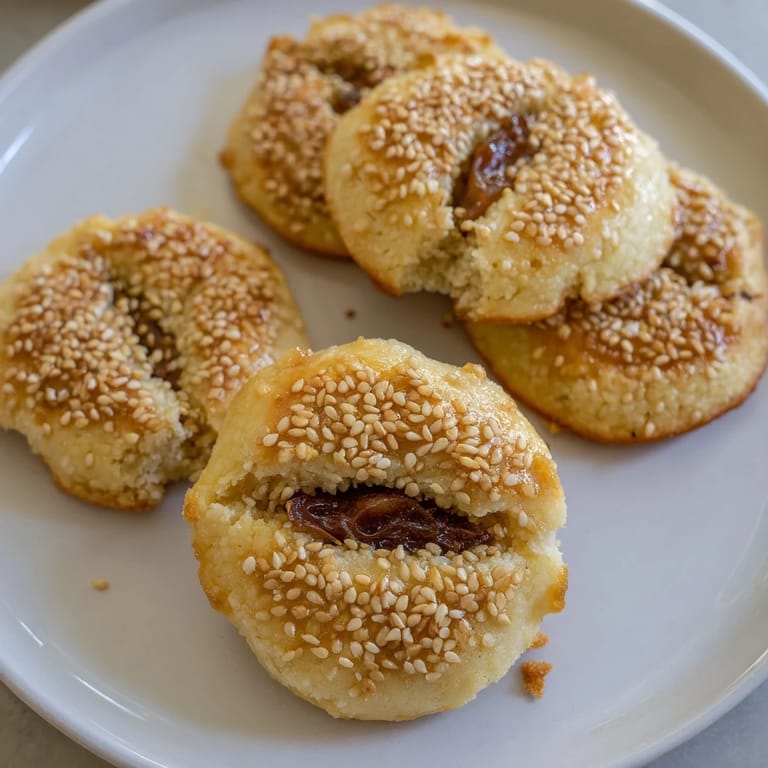
Makroudh are ready when they turn a deep golden brown and sound hollow when you tap them lightly with a spoon. If they're still pale, give them another minute or two, but watch closely—semolina can go from perfect to overdone in a blink. The honey glaze will darken them slightly, so don't worry if they look a touch lighter than you expect coming out of the oil.
Storage and Serving Ideas
Store these in an airtight container at room temperature, and they'll stay tender and sweet for up to a week. Serve them with strong mint tea or black coffee, the way they do in Tunisia, and let the bitterness play off the honey. They're also lovely crumbled over yogurt or ice cream if you want to stretch one batch into something unexpected.
Common Mistakes and How to Avoid Them
The biggest pitfall is overworking the dough, which makes it tough and difficult to seal around the filling. Another common issue is cutting the cookies too thick—they won't cook through evenly and the centers can stay dense. Finally, don't skip the resting time for the dough; it needs those 20 minutes to hydrate properly, or it'll crack when you try to shape it.
- If the filling leaks out during frying, your seal wasn't tight enough—pinch the edges firmly and roll gently to close any gaps.
- For a lighter version, brush shaped cookies with olive oil and bake at 180°C for 25 to 30 minutes, then dip in syrup while warm.
- Orange blossom water can be strong, so start with a little and taste—you can always add more to the syrup if you want a bolder floral note.
 Save to Pinterest
 Every time I make makroudh now, I think of that grandmother and my friend's tears and the way food connects us across oceans and generations. I hope these bring you the same kind of joy—and maybe a few sticky fingers too.
Recipe FAQs
- → What type of semolina works best for the dough?
Fine semolina is ideal for a tender yet sturdy dough that yields the characteristic texture of Makroudh.
- → Can I bake Makroudh instead of frying?
Yes, baking at 180°C for 25-30 minutes achieves a golden crust, then dipping in honey syrup preserves the traditional sweetness.
- → What spices complement the date filling?
Cinnamon and nutmeg add warmth and depth to the date filling, enhancing its natural sweetness with subtle spice notes.
- → Is orange blossom water necessary in the filling and syrup?
Orange blossom water provides a floral aroma but can be substituted with rose water or omitted for a milder flavor.
- → How should Makroudh be stored after preparation?
Store in an airtight container at room temperature for up to one week to maintain crispness and flavor.
- → What’s the best oil for frying Makroudh?
Vegetable oil with a neutral flavor and high smoke point is recommended to achieve an even, golden fry.