 Save to Pinterest
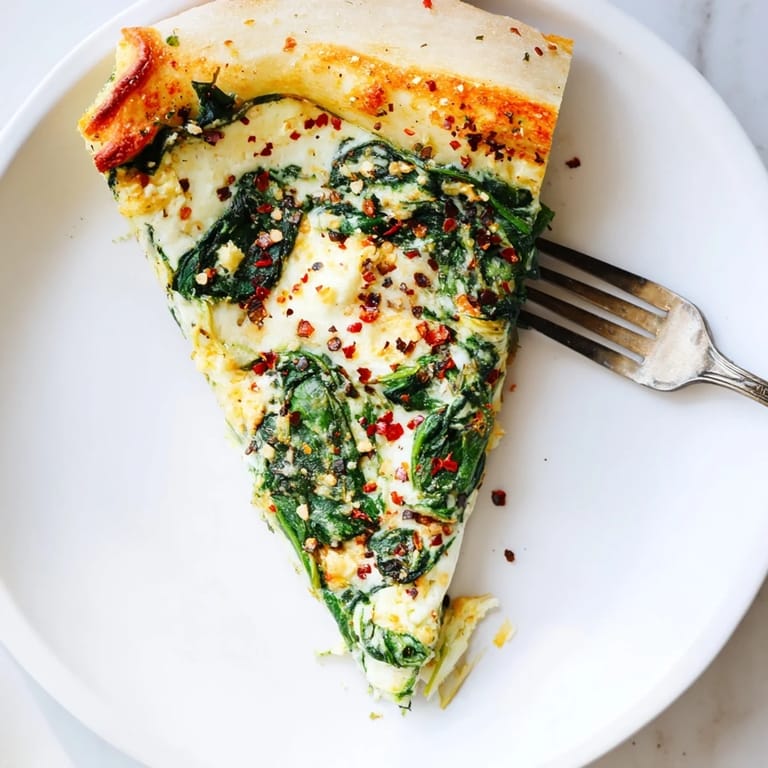
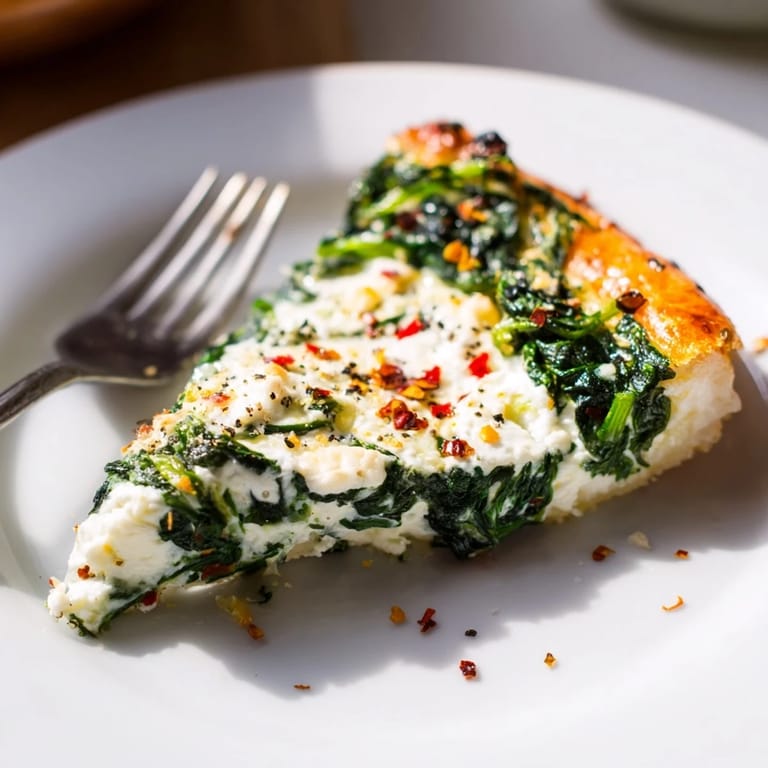
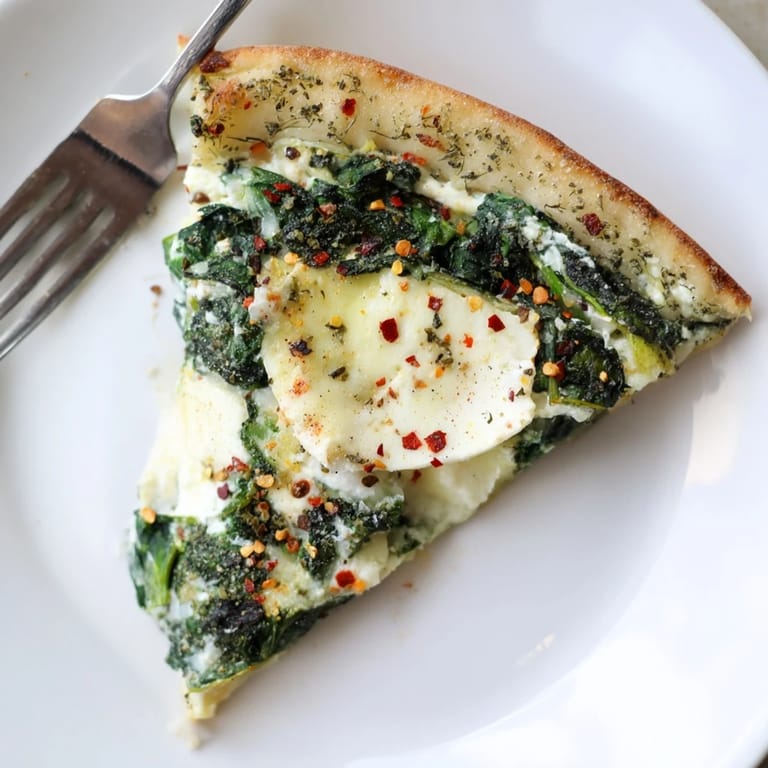
 The smell of garlic butter hitting a hot crust is one of those kitchen moments that stops everyone mid-conversation. I was experimenting one Thursday night, too tired for tomato sauce but craving pizza, when I spread garlic butter across dough and realized I'd stumbled onto something better than my usual routine. The ricotta went on in soft clouds, the spinach still warm from the pan, and the whole thing baked into this pale, fragrant masterpiece that my neighbor could smell through the wall. She knocked twenty minutes later asking what I was making. That's how this pizza earned its permanent spot in my weekly rotation.
I made this for a small dinner party once, convinced my friends would miss the marinara. Instead, they spent the entire meal dissecting what made it so good, the way the ricotta stayed creamy in pockets, how the Parmesan crisped at the edges, the slight bitterness of wilted spinach against sweet garlic. One friend, a hardcore pepperoni loyalist, admitted she'd never considered white pizza worth the calories. She took home the last two slices wrapped in foil. I didn't hear the end of it until I shared the recipe three days later.
Ingredients
- Thin pizza crust: The foundation here, and thin is crucial so the garlic butter can soak through without turning soggy.
- Unsalted butter: You control the salt this way, and it melts into the garlic to create that golden, fragrant base layer.
- Garlic cloves: Fresh is non-negotiable, the jarred stuff doesn't bloom the same way when you heat it gently in butter.
- Fresh parsley: Optional but worth it, adds a bright herbal note that cuts through the richness.
- Ricotta cheese: The creamy star, look for whole milk ricotta that holds its shape in dollops rather than spreading thin.
- Fresh spinach: Wilts down fast and adds color and a slight earthiness that balances all that dairy.
- Olive oil: For sautéing the spinach, a good quality one makes a difference you can taste.
- Shredded mozzarella: Melts into those beautiful bubbly patches and gives you the stretch factor.
- Grated Parmesan: Adds a salty, nutty finish and crisps up beautifully in the oven.
- Red pepper flakes: A pinch wakes everything up if you want a subtle kick at the end.
Tired of Takeout? 🥡
Get 10 meals you can make faster than delivery arrives. Seriously.
One email. No spam. Unsubscribe anytime.
Instructions
- Heat your oven high:
- Get it to 475°F and let that pizza stone or baking sheet preheat inside for at least 15 minutes. The hot surface is what gives you a crisp bottom instead of a pale, floppy crust.
- Wilt the spinach:
- Heat olive oil in a skillet and toss in the spinach with a little salt, stirring just until it collapses and turns bright green, about 2 to 3 minutes. Transfer it to a plate so it stops cooking.
- Make the garlic butter:
- Melt butter gently in a small pan, add minced garlic, and let it sizzle for a minute until your kitchen smells like an Italian bakery. Stir in parsley if you have it and take it off the heat.
- Brush the crust:
- Lay your pizza dough on parchment and use a pastry brush to coat the whole surface with that garlic butter, right to the edges. This is the flavor layer that makes people ask what your secret is.
- Dollop the ricotta:
- Drop spoonfuls of ricotta all over the crust, leaving a little border, and don't worry about spreading it smooth. Those uneven pockets are where the magic happens.
- Add the spinach:
- Scatter the cooled spinach evenly over the ricotta and give it a few grinds of black pepper. The pepper matters more than you think.
- Top with cheese:
- Sprinkle mozzarella and Parmesan over everything, then add a pinch of red pepper flakes if you want a whisper of heat. The Parmesan will brown and get nutty.
- Bake until golden:
- Slide the pizza on its parchment onto the hot stone or sheet and bake for 12 to 15 minutes, watching for a golden crust and bubbling cheese. The smell will tell you when it's close.
- Rest before slicing:
- Let it sit for 2 minutes after pulling it out so the cheeses set just enough to slice cleanly. Then cut and serve while it's still steaming.
 Save to Pinterest
 There was a rainy Saturday when I made this for myself with a book and a glass of wine, no company, no pressure. I ate half the pizza straight from the pan, standing at the counter, and felt completely content. Sometimes the best meals aren't the ones you plate beautifully or photograph, they're the ones you devour alone in your kitchen, warm and quiet, with nowhere else to be. This pizza has given me more of those moments than I can count.
Choosing Your Crust
Store-bought thin crusts work beautifully here and save you time on a weeknight, but if you have a favorite dough recipe or a good pizzeria that sells raw dough, use it. I've made this on whole wheat crusts when I'm pretending to be virtuous and on gluten-free bases for friends with restrictions, and it adapts without complaint. The key is keeping it thin so the garlic butter can work its way through and the bottom crisps up fast under high heat. Thicker crusts need longer baking and can turn the toppings too dark before the dough is done.
Making It Your Own
This pizza is a gentle blueprint that welcomes tinkering. I've added thinly sliced red onion before baking for a sweet sharpness, and sun-dried tomatoes when I want little pockets of tangy intensity. A friend swears by artichoke hearts scattered over the spinach, and another stirs lemon zest into the ricotta for brightness. You could crumble cooked sausage on top if you want meat, or drizzle hot honey over the finished pizza for a sweet-savory finish that makes people lean in with questions. The garlic butter and ricotta base stays constant, everything else is negotiable.
Serving and Storing
This pizza is best eaten hot from the oven when the cheese is still stretchy and the crust crackles under your teeth. I like it with a simple arugula salad dressed in lemon and olive oil, something peppery and bright to balance the richness. Leftovers keep in the fridge for two days and reheat well in a hot skillet, which re-crisps the bottom better than a microwave ever could. A glass of chilled Pinot Grigio or a light lager complements it without competing.
- Reheat leftover slices in a covered skillet over medium heat for a crispy bottom and melty top.
- Pair with a sharp green salad or roasted vegetables to round out the meal.
- Freeze unbaked assembled pizzas on parchment, then bake from frozen, adding 5 extra minutes.
 Save to Pinterest
 This pizza has a way of turning ordinary nights into something worth remembering, whether you're feeding a crowd or just yourself. It's proof that simple ingredients, handled with a little care, can taste like the best decision you made all week.
Recipe FAQs
- → Can I prepare the spinach ahead of time?
Yes, you can sauté the spinach up to 4 hours in advance. Store it in an airtight container in the refrigerator, then bring it to room temperature before assembling the pizza.
- → What's the best way to prevent a soggy crust?
Ensure your oven and pizza stone are preheated to 475°F. The high heat creates a crispy bottom. Also, don't over-wilt the spinach—sauté it just until tender to minimize excess moisture.
- → Can I use frozen spinach instead of fresh?
Absolutely. Thaw frozen spinach and squeeze out excess moisture thoroughly before sautéing. This prevents the crust from becoming too wet during baking.
- → How do I make the garlic butter more flavorful?
Toast the minced garlic gently over low heat for just 1 minute to develop its flavor without burning. Fresh parsley adds brightness, but you can also infuse the butter with fresh thyme or oregano.
- → What wine pairs well with this pizza?
A crisp Pinot Grigio complements the creamy ricotta and fresh spinach beautifully. Its acidity cuts through the richness and enhances the herbaceous notes of the garlic and parsley.
- → Can I add other vegetables to this pizza?
Definitely. Thinly sliced red onions, sun-dried tomatoes, roasted mushrooms, or artichoke hearts all work wonderfully. Add them as you layer the toppings, adjusting for any extra moisture.