 Save to Pinterest
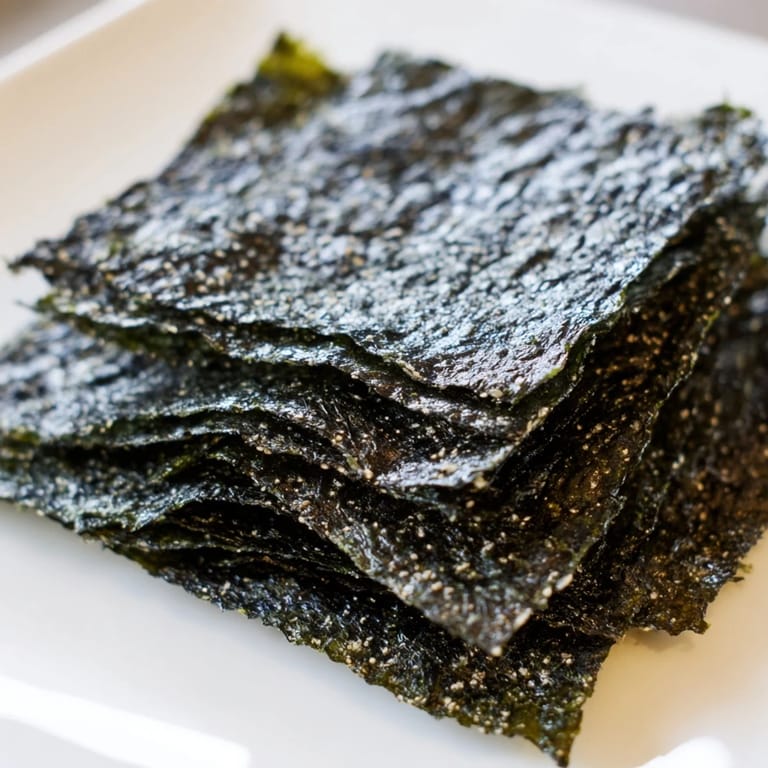
 The first time I made seaweed chips, I was fighting midnight hunger pangs after working late. With nothing else in the pantry but some forgotten nori sheets from a sushi experiment, I brushed them with oil on a whim and popped them in the oven. The apartment filled with a briny ocean scent that transported me straight to childhood beach days. As they cooled on the counter, that first satisfying crunch between my teeth told me I'd stumbled onto something special.
Last summer, I brought a container of these seaweed chips to a picnic at the park. My friends initially eyed them with suspicion, but within minutes, everyone was reaching for more, fingers slightly green-tinged from the nori. The container emptied before we even unpacked the rest of the food, and I found myself promising the recipe to at least five people before sunset.
Ingredients
- Dried nori sheets: Look for sushi-grade sheets that feel slightly flexible rather than brittle in the package, as fresher nori delivers the best flavor and texture after roasting.
- Toasted sesame oil: Just a whisper of this aromatic oil transforms plain seaweed into something magical, though any neutral oil will work in a pinch.
- Fine sea salt: The delicate mineral notes in sea salt complement the oceanic flavor of seaweed far better than table salt ever could.
Tired of Takeout? 🥡
Get 10 meals you can make faster than delivery arrives. Seriously.
One email. No spam. Unsubscribe anytime.
Instructions
- Prep your sheets:
- Preheat your oven to 300°F and line a baking sheet with parchment paper. Place your first nori sheet shiny side down on the parchment.
- Layer with love:
- Brush the top with a thin layer of sesame oil, using gentle strokes to avoid tearing the delicate sheet. Sprinkle lightly with salt, thinking of it as seasoning the ocean itself.
- Create your stacks:
- Place another nori sheet on top, creating a sandwich, and repeat the oil and salt process. Continue until youve used all your sheets, creating three double-layered pairs.
- Shape your chips:
- With kitchen scissors or a sharp knife, cut each pair into manageable strips or squares about two inches wide. Watch your fingers as the sheets can sometimes slide against each other.
- Arrange for airflow:
- Spread your cut pieces in a single layer on the baking sheet, making sure they dont overlap. This ensures each piece gets perfectly crisp rather than steaming.
- Roast with attention:
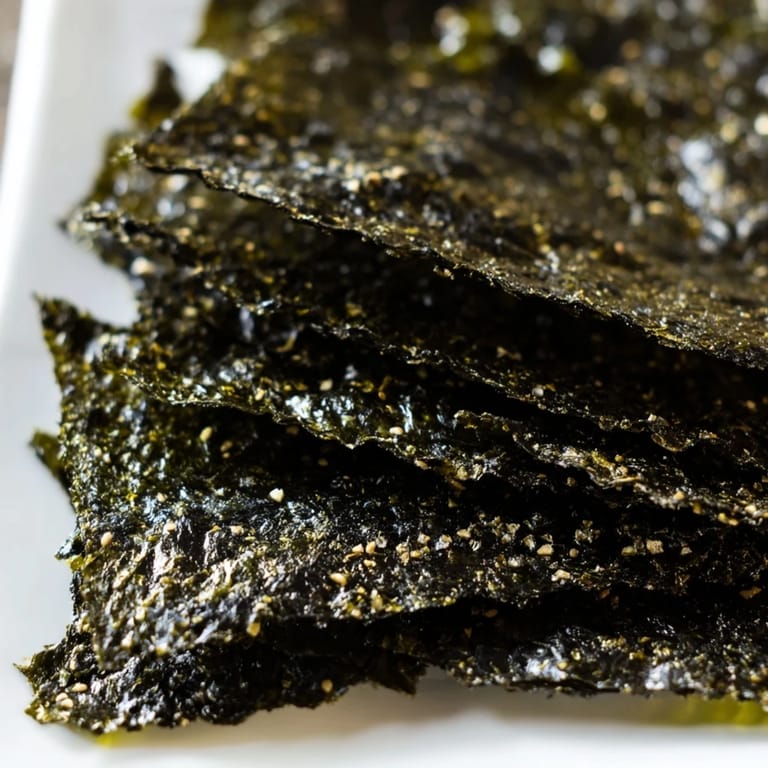
- Bake for 6-8 minutes, but hover nearby as they can go from perfect to burnt in seconds. Youre looking for a deep green color and rigid texture.
- Cool and crisp:
- Let them cool completely before sampling. The chips continue to crisp up as they cool, transforming from bendable to delightfully brittle.
 Save to Pinterest
 On a particularly difficult day last winter, I found myself making these chips while talking through a problem with my sister on the phone. The methodical process of brushing, layering, and cutting became unexpectedly therapeutic. By the time we ended our call, I had both a solution to my dilemma and a batch of perfectly crisp seaweed chips that somehow tasted even better for having been made during that moment of connection.
Flavor Variations to Explore
My kitchen experiments have led to some delicious variations over time. A light dusting of garlic powder before roasting adds a mellow depth that pairs beautifully with the ocean notes, while a sprinkle of furikake creates a multi-dimensional snack that needs no accompaniment. For heat lovers, a touch of Korean gochugaru or a few red pepper flakes transforms these into something that dances on your tongue long after each bite.
Serving Suggestions
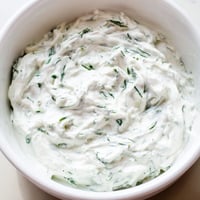
While perfect on their own, these seaweed chips have proven themselves remarkably versatile in my kitchen. Crushed over steamed rice with a soft-boiled egg, they add a satisfying textural element to an otherwise simple meal. Ive served them alongside creamy dips where their sturdiness holds up surprisingly well, and crumbled them over salads when I want that umami punch without reaching for the salt shaker.
Storage Solutions
The enemy of these delicate chips is humidity, which can transform them from crisp to chewy in hours if youre not careful. I learned this the hard way after leaving a batch in a poorly sealed container during a particularly muggy week.
- Store any leftovers in an airtight container with a silica gel packet tucked in if you have one from vitamin bottles or shoe boxes.
- Keep the container in a cool, dry place rather than refrigerating, as the moisture in the fridge will quickly soften your crispy creation.
- If your chips do lose their crunch, five minutes in a 275°F oven will usually restore them to their former glory.
 Save to Pinterest
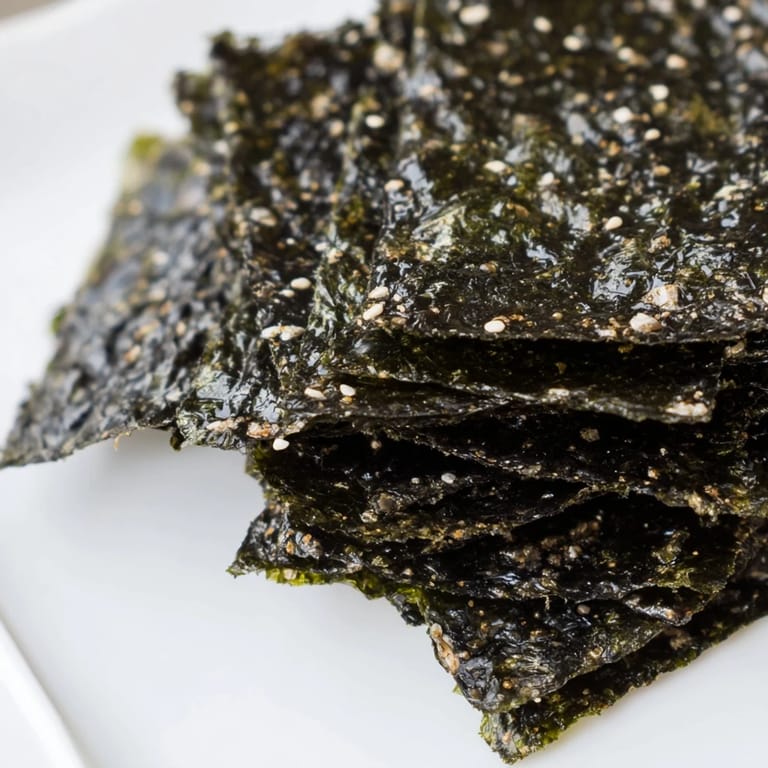
 These humble seaweed chips have earned their place in my regular rotation, not just for their addictive taste but for their ability to transform ordinary moments into something special. Whether youre making them for yourself or sharing with others, theres something magical about transforming simple nori into these crispy, savory bites.
Recipe FAQs
- → Why do you layer the nori sheets together?
Layering creates structural support during roasting, preventing the thin sheets from curling or burning too quickly. The double layers cook more evenly and maintain better crispness than single sheets.
- → Can I use regular nori sheets instead of sushi-grade?
Sushi-grade nori is recommended for its superior quality and food safety standards. However, high-quality culinary nori will work. Always ensure the seaweed is labeled for consumption and stored properly before use.
- → How do I prevent the chips from becoming soggy?
Cool them completely before storing and use an airtight container with minimal air exposure. The key is achieving full crispness during roasting—watch closely during the final minutes to avoid undercooking.
- → What's the best substitute for sesame oil?
Neutral oils like coconut, grapeseed, or light avocado oil work well. Olive oil adds earthiness but has a lower smoke point. Use oils with similarly light flavors to avoid overpowering the delicate seaweed taste.
- → How long can I store roasted seaweed chips?
Keep them in an airtight container at room temperature for up to one week. Humidity is the enemy of crispness, so ensure the container is completely sealed and store away from damp areas.
- → Can I make these without an oven?
An air fryer at 300°F works excellently and often produces crispier results in 4-5 minutes. A toaster oven works similarly to a regular oven. Direct stovetop methods aren't recommended due to burning risks.