 Save to Pinterest
 The first time I had wakame soup was at a tiny Japanese counter in Tokyo, where the chef served it in a lacquer bowl no larger than my palm. I remember being surprised by how something so simple could taste so comforting—like being wrapped in a warm blanket on a rainy day. Now, whenever I need a quick nourishing meal, this soup is my go-to. It takes twenty minutes from start to finish, and somehow feels like a hug in a bowl.
Last winter, my friend came over feeling under the weather, and I made her this soup with extra scallions. She sat at my kitchen table, cradling the warm bowl, and told me it reminded her of being cared for when she was little. Now whenever she visits, she asks for that seaweed soup, and I always keep a stash of dried wakame in my pantry just for her.
Ingredients
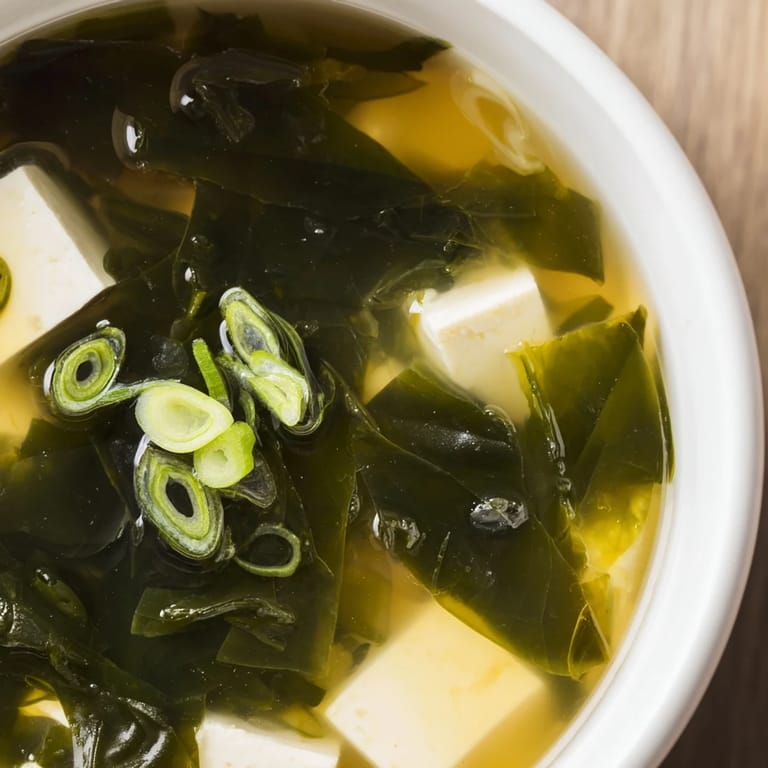
- 8 g dried wakame seaweed: This expands dramatically when soaked, so a little goes a long way. I learned to measure before rehydrating, not after, or youll end up with enough seaweed to feed a small village.
- 4 cups dashi stock: The foundation of everything good. Use vegetarian kombu dashi for a plant-based version, or make your own from scratch if you have twenty minutes and the patience.
- 100 g tofu, cubed: Silken creates that melt-in-your-mouth texture, while firm holds its shape beautifully. Both work, but silken feels more luxurious somehow.
- 2 scallions, thinly sliced: These add a fresh bite that cuts through the rich broth. Slice them right before serving so they stay crisp and vibrant.
- 2 tbsp white miso paste: The soul of the soup. White miso is milder and sweeter than red or barley miso, which is exactly what this delicate soup needs.
- 1 tsp soy sauce: Just enough to deepen the flavors without overpowering the miso. Use tamari if you need it gluten-free.
- 1 tsp sesame oil: Optional but absolutely worth it. It adds this nutty finish that makes people ask, what did you put in this?
Tired of Takeout? 🥡
Get 10 meals you can make faster than delivery arrives. Seriously.
One email. No spam. Unsubscribe anytime.
Instructions
- Wake up the wakame:
- Place the dried seaweed in a small bowl and cover with cold water. Let it soak for about 5 minutes until it transforms into these beautiful translucent fronds. Drain well and set aside.
- Gently warm the dashi:
- Pour your dashi stock into a medium saucepan and bring it to a gentle simmer over medium heat. You want it hot but not aggressively boiling—misos delicate probiotics prefer a kinder temperature.
- Add the tofu and wakame:
- Carefully slide in your cubed tofu and the rehydrated seaweed. Let them simmer together for 2 to 3 minutes, just until everything is heated through and the wakame has softened.
- Dissolve the miso:
- Here is the technique that changed everything: ladle about half a cup of hot broth into a separate bowl and whisk in the miso paste until completely smooth. This prevents those annoying clumps of undissolved miso that I used to get every single time.
- Combine and season:
- Pour the miso mixture back into your soup pot and add the soy sauce and sesame oil if you are using it. Stir gently and let it warm through for just one more minute—do not let it boil or the miso will lose its subtle sweetness.
- Garnish and serve immediately:
- Ladle into bowls and scatter those fresh scallions on top. Serve while it is still steaming, ideally with someone you really like across the table.
 Save to Pinterest
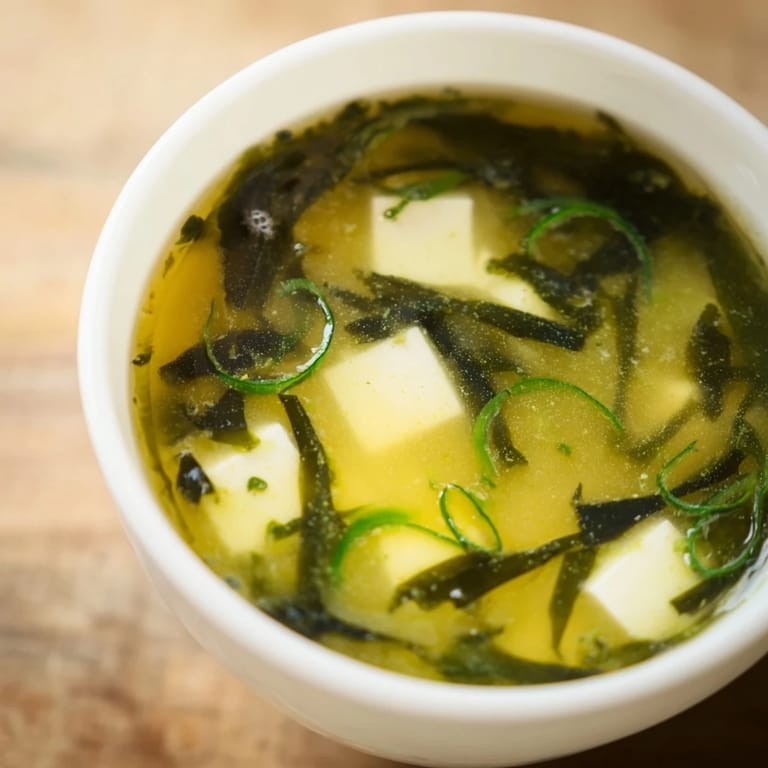
 This soup has become my emergency dinner for nights when cooking feels like too much but ordering takeout feels like giving up. There is something about the ritual of rehydrating the seaweed, dissolving the miso, watching the tofu bob gently in the broth—it is meditative and restorative all at once.
Making It Your Own
Once you have the basic technique down, this soup becomes a canvas. I have added thinly sliced mushrooms during the simmer, baby spinach leaves that wilt instantly in the hot broth, even cubes of sweet potato when I wanted something more substantial. The miso-dashi base is incredibly forgiving.
Dashi Decisions
Homemade dashi is undeniably superior, but I will not judge anyone who uses instant dashi powder on a Tuesday night. If you do make it from scratch, simply simmer a piece of kombu seaweed in water for twenty minutes, then add bonito flakes if you eat fish and steep for five minutes more. Strain and you have liquid gold.
Serving Suggestions
In Japan, miso soup is typically served at the end of a meal, but I have never been good at following rules. I like it alongside a simple green salad and perhaps some steamed rice. It also pairs beautifully with sushi, obviously, but do not be afraid to serve it as a first course before something entirely different.
- Keep extra miso paste in the refrigerator, it lasts for months and you will find yourself wanting to add it to everything.
- If the soup tastes too salty, add a splash of water or more tofu to balance it out.
- Leftovers keep for two days in the refrigerator, though the tofu will absorb more miso flavor and become even more delicious.
 Save to Pinterest
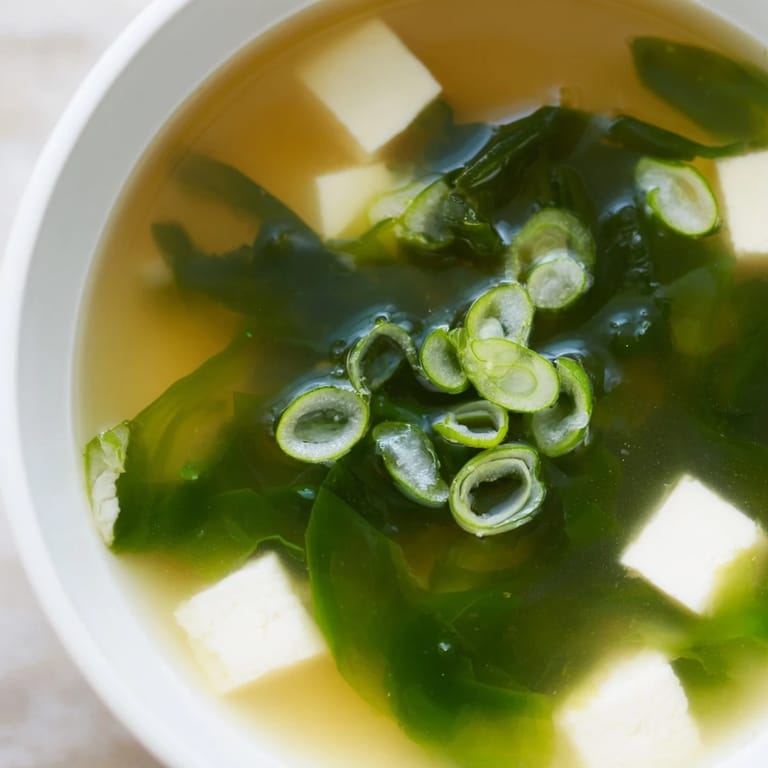
 There is a quiet kind of magic in soup this simple. I hope it brings you the same comfort it has brought me on so many evenings when I needed it most.
Recipe FAQs
- → What does wakame taste like?
Wakame has a mild, slightly sweet flavor with a subtle ocean essence. When rehydrated, it becomes tender and silky with a pleasant chew. Unlike stronger seaweeds, wakame blends seamlessly into broths, adding depth without overpowering other ingredients.
- → Can I make this without dashi stock?
While dashi provides authentic flavor, you can substitute with vegetable broth or water seasoned with a piece of kombu (kelp). For a vegan version, simmer dried shiitake mushrooms with kombu to create a deeply flavorful base that mimics traditional dashi's umami character.
- → Why shouldn't I boil the miso paste?
Boiling miso destroys its beneficial enzymes and probiotics while creating an unpleasant, grainy texture. The proper technique is to dissolve miso in a small amount of hot liquid separately, then stir it into the soup just before serving. This preserves both the nutritional benefits and the paste's smooth, savory finish.
- → How do I store leftovers?
Store cooled soup in an airtight container in the refrigerator for up to 2 days. Note that the tofu will continue to absorb flavors and become slightly firmer. Reheat gently over low heat, avoiding a boil to maintain the miso's qualities. The wakame may expand further as it sits.
- → Can I add other vegetables to this soup?
Absolutely. Sliced shiitake mushrooms, diced carrots, or baby spinach complement the existing flavors beautifully. Add heartier vegetables like carrots during the simmering stage, but incorporate delicate greens like spinach in the final minute to preserve their texture and vibrant color.
- → Is this soup suitable for beginners?
This is an excellent starting point for Japanese cooking. The technique involves basic simmering and ingredient preparation, with no complex methods required. The key is maintaining a gentle simmer and properly dissolving the miso, both of which are easily mastered. Total hands-on time is minimal.