 Save to Pinterest
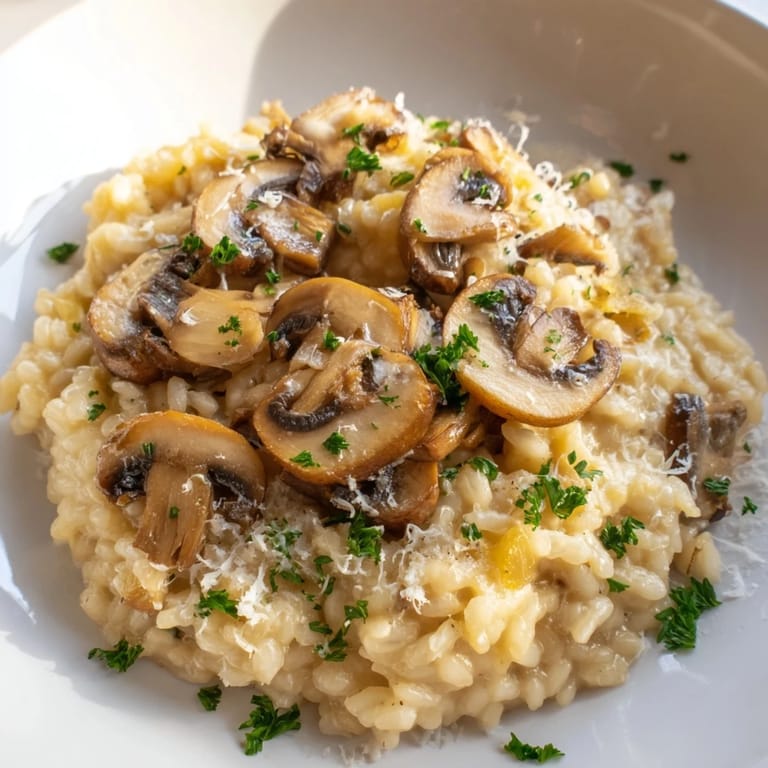
 There's something almost meditative about making risotto—the way the rice slowly transforms from individual grains into something creamy and luxurious, all because you're willing to stand there and stir. I discovered this dish on a rainy Thursday evening when I had nothing in the pantry except arborio rice, some mushrooms going soft, and the stubborn determination not to order takeout. What started as improvisation became my go-to comfort meal, the kind you make when you want to feel like you've done something special without actually spending hours in the kitchen.
I made this for my sister's birthday dinner when she was going through a phase of ordering expensive takeout instead of eating at home. She took one bite and went quiet—the kind of quiet that means you've done something right. Now she asks me to make it whenever she visits, and I've learned to double the mushrooms because she eats them straight from the pan before we even sit down.
Ingredients
- Arborio rice (1½ cups): This short-grain rice has a higher starch content, which is what creates that creamy texture you're after. Regular long-grain rice won't give you the same result, and I learned this the expensive way before understanding why.
- Cremini or button mushrooms (12 oz, sliced): Whatever you choose, slice them relatively uniformly so they cook at the same rate. I've made this with a mix of mushrooms and it's always better, but cremini have this earthiness that feels right here.
- Olive oil and butter (3 tbsp total): Start the mushrooms in olive oil, which helps them brown without sticking, then finish with butter later for richness.
- Yellow onion and garlic (1 onion, 2 cloves): These are your flavor foundation—make sure to chop them fine so they dissolve almost invisibly into the rice.
- Vegetable broth (4 cups, kept warm): The warm broth is important because adding cold liquid will shock the rice and mess up your cooking time. Keep it simmering on another burner.
- Dry white wine (½ cup): This adds acidity and prevents the risotto from tasting one-note. It's worth using something you'd actually drink, not cooking wine vinegar.
- Parmesan cheese (½ cup grated, plus extra): Grate it fresh if you can—pre-grated cheese has anti-caking agents that make the sauce feel grainy instead of smooth.
- Butter for finishing (2 tbsp): This is separate from the butter you start with, and it's what makes the final texture silky.
- Salt and black pepper: Taste as you go. The broth is probably already salty, so add gradually.
- Fresh parsley (optional): A small handful, chopped, adds brightness and color at the end.
Tired of Takeout? 🥡
Get 10 meals you can make faster than delivery arrives. Seriously.
One email. No spam. Unsubscribe anytime.
Instructions
- Sauté the mushrooms into submission:
- Heat olive oil and 1 tablespoon of butter in a large skillet over medium heat. Once it's foaming, add your sliced mushrooms and let them sit without stirring for about a minute so they get a good golden crust. Then stir occasionally for another 6–8 minutes until any liquid they release has cooked off completely and they smell deeply savory. This is your umami anchor for the whole dish.
- Build the base with onion and garlic:
- Scoop out the mushrooms and set them aside, then in the same pan add your finely chopped onion. Stir it around for about 3 minutes until it softens and turns translucent—you'll notice the smell changes from sharp to sweet when it's ready. Add the minced garlic and cook for just 1 minute more so it releases its flavor without burning.
- Toast the rice until the edges turn glassy:
- Stir in the arborio rice and keep stirring for about 2 minutes. You're looking for the edges of each grain to become translucent while the center stays opaque—this slight toasting prevents the rice from turning into mush later.
- Deglaze with wine:
- Pour in the white wine and stir constantly until it's almost completely absorbed, which takes about 2–3 minutes. The kitchen will smell like a wine bar, which is a good sign.
- Add broth, ladle by patient ladle:
- This is where risotto becomes a conversation instead of a task. Add one ladleful of the warm broth and stir fairly often—you don't need to stir constantly, but you're looking for that creamy texture to develop. Wait until most of the liquid has been absorbed before adding the next ladleful. This whole process takes about 18–20 minutes, and the rice will gradually go from chewy to tender while the liquid becomes a rich, creamy sauce. Taste a grain of rice—when it's soft but still has a tiny bit of resistance in the center, you're done adding broth.
- Finish with butter, cheese, and mushrooms:
- Remove from heat and immediately stir in your reserved mushrooms, the 2 tablespoons of butter, and the grated Parmesan cheese. The carryover heat will finish cooking everything, and the cheese and butter will make the texture silky and luxurious. Taste and adjust salt and pepper.
- Serve while it's hot and creamy:
- Plate immediately and top with a tiny handful of parsley and more Parmesan if you like. Risotto waits for no one.
 Save to Pinterest
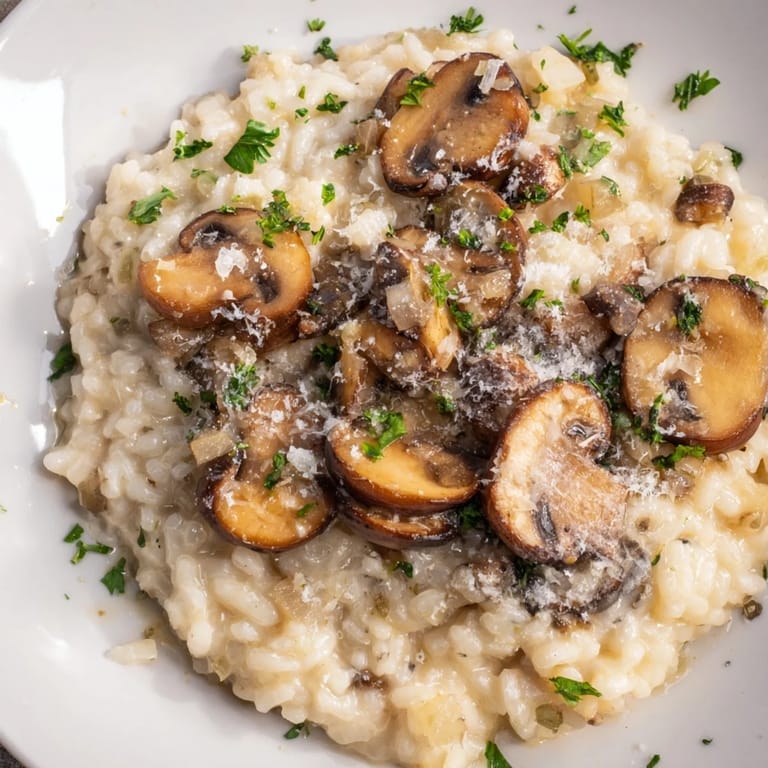
 The moment I understood risotto was the moment I realized it's less about following steps and more about listening to what the rice needs. There's a rhythm to it—a conversation between you and the pan—and once you feel that rhythm, you can make it without even looking at a timer.
Why Arborio Rice Makes All the Difference
Arborio rice is short and starchy in a way that regular rice isn't. As it cooks and releases its starches into the broth, those starches emulsify with the butter and cheese to create the creamy sauce that's the whole point of risotto. The first time I tried making this with long-grain rice, I was disappointed—I got a pot of soft rice in broth instead of the luxurious, clingy texture that makes risotto worth making. The rice's ability to absorb liquid while staying separate is also crucial; if you use something like jasmine or basmati, it'll be mushy before you know it.
Mushrooms Are More Important Than You Think
I used to think mushrooms were just an ingredient, but they're actually the soul of this dish. When you sauté them first and get them golden, you're creating a deep, earthy flavor that elevates the whole risotto from simple to sophisticated. The way they collapse slightly as they cook and their liquid evaporates—that's when they become most flavorful. If you have access to wild mushrooms like cremini, porcini, or shiitake, mixing them creates layers of flavor that make people ask what your secret is, and now you know.
Timing, Temperature, and When to Trust Your Instincts
The 18–20 minute window for adding broth is a guideline, not a law. Your stove might run hotter than mine, the ambient temperature might be different, even the age of your rice can affect how quickly it absorbs liquid. That's why tasting the rice is the only real test—you're looking for a tender grain with just the tiniest firm center, what Italian cooks call al dente. Once you've made this a few times, you'll feel confident adjusting things on the fly.
- If your risotto looks too thick at the end, a splash of warm broth fixes it instantly.
- If it's too loose, let it sit for a minute off the heat and it will continue absorbing liquid.
- The butter and cheese finish will make it creamier, so don't panic if it looks wetter than you expect before you stir those in.
 Save to Pinterest
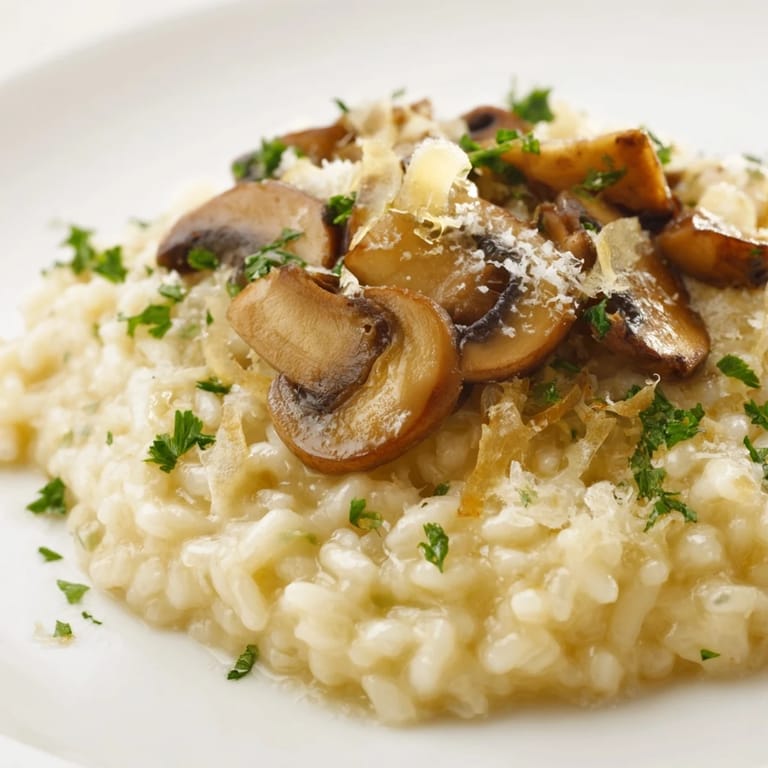
 Risotto is the kind of dish that teaches you something every time you make it. It's patient food, the sort that rewards you for slowing down and paying attention, and once you understand it, you'll find yourself making it whenever you want to turn an ordinary evening into something a little bit special.
Recipe FAQs
- → What type of rice is best for this dish?
Arborio rice is preferred due to its high starch content, which creates a creamy texture when cooked slowly with liquid.
- → Can I use other types of mushrooms?
Yes, a mix of wild mushrooms or cremini work well to enhance the earthy, savory profile of this dish.
- → How should the broth be added during cooking?
Warm the broth and add it gradually, one ladleful at a time, stirring frequently to allow absorption before adding more.
- → What is the purpose of the white wine in this dish?
Dry white wine adds acidity and depth, balancing the richness of the butter and cheese while enhancing overall flavor.
- → How can I make this dish vegetarian-friendly?
Use vegetable broth instead of chicken broth and ensure all ingredients like cheese are made without animal rennet.