 Save to Pinterest
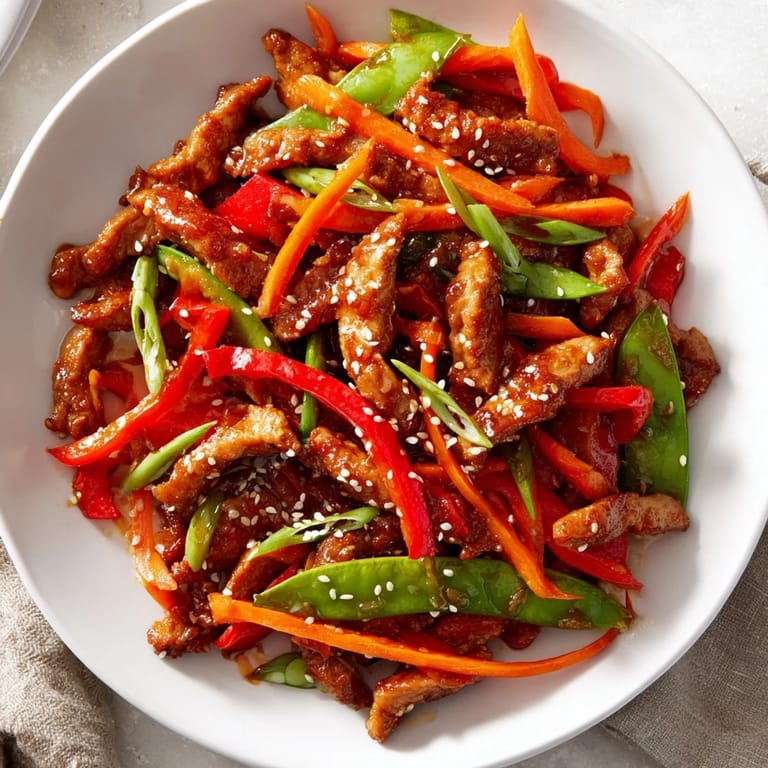
 There's something about the sizzle of hot oil hitting a wok that still catches me off guard, even after all these years. One Tuesday evening, I was rushing to get dinner on the table before my neighbor stopped by, and I remembered she'd mentioned loving teriyaki but never had time to make it. Twenty minutes later, watching her eyes light up at that glossy, caramelized sauce clinging to tender pork strips, I realized this dish had become my secret weapon for nights when I need something impressive but actually manageable.
I still laugh remembering when my partner first tried this, skeptical that such a quick stir-fry could deliver real depth. He kept hovering near the stove, watching the sauce thicken, and the moment I plated it over rice, he was sold. It's become our go-to when we want something that feels like a treat but doesn't demand hours of our evening.
Ingredients
- Pork tenderloin, thinly sliced (450 g): Tenderloin is your friend here because it cooks fast and stays tender even if you're not timing it perfectly; ask your butcher to slice it thin or pop it in the freezer for 20 minutes first to make it easier to cut yourself.
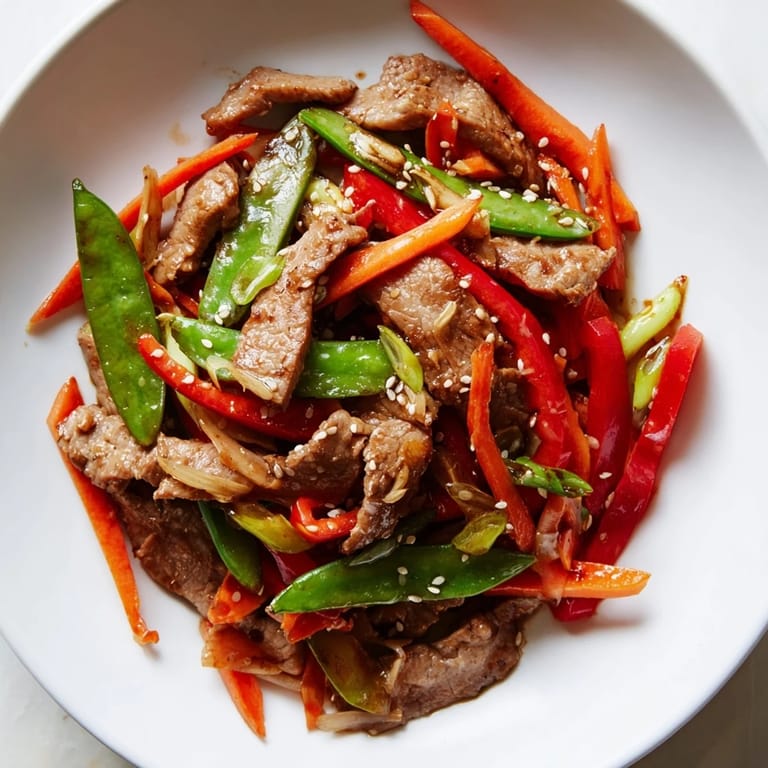
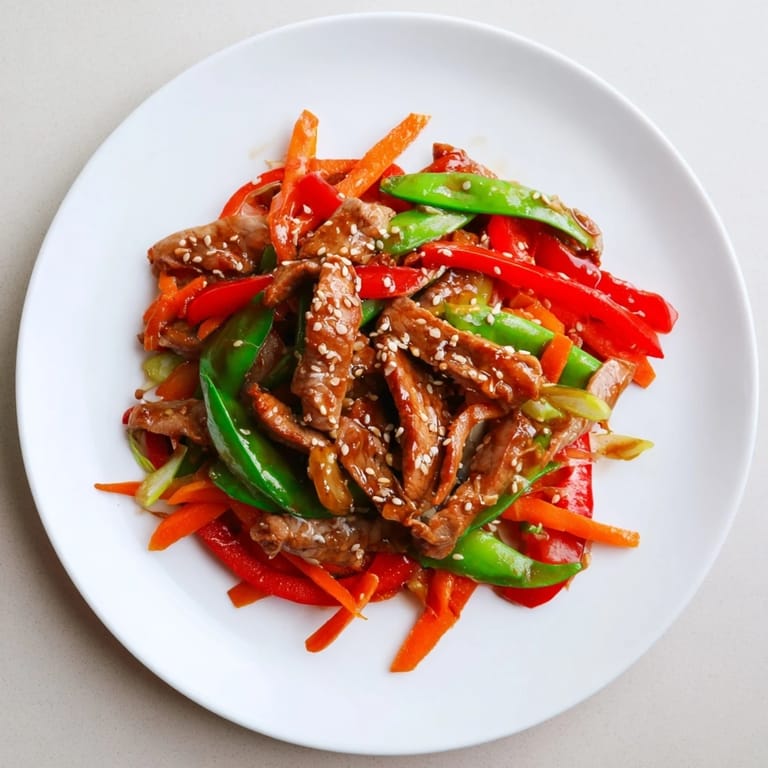
- Red bell pepper and snap peas: These stay pleasantly crisp and add color that makes the dish feel more vibrant than it actually is.
- Carrot, julienned: Thin cuts mean the carrot cooks through without turning mushy, and it adds a subtle sweetness that bridges pork and sauce.
- Green onions (3, sliced) and fresh ginger and garlic: These three create the aromatic base that makes your kitchen smell like a proper Asian restaurant for just a moment.
- Low-sodium soy sauce and mirin: Mirin is worth seeking out because it brings a natural sweetness that brown sugar alone can't quite replicate, but brown sugar works in a pinch.
- Rice vinegar and cornstarch: The vinegar keeps the sauce balanced so it's not one-note sweet, and cornstarch is what makes it coat everything instead of pooling at the bottom.
- Sesame oil: Just a teaspoon at the end adds a nutty depth that elevates the whole dish.
- Vegetable oil for cooking: You need enough heat, so don't skimp here.
Tired of Takeout? 🥡
Get 10 meals you can make faster than delivery arrives. Seriously.
One email. No spam. Unsubscribe anytime.
Instructions
- Make your sauce first:
- Whisk together soy sauce, mirin, brown sugar, rice vinegar, cornstarch, water, and sesame oil in a small bowl. This is the moment where you control the whole flavor profile, so taste as you go and adjust sweetness or salty-ness to your preference.
- Get your wok properly hot:
- Heat 1 tablespoon of oil over medium-high heat until it shimmers and moves easily across the surface. The pork needs a good sear, so don't be timid with the heat.
- Sear the pork until golden:
- Add the pork in a single layer and let it sit for a moment before stirring—this golden crust is where the flavor lives. After 3 to 4 minutes, when it's browned and cooked through, transfer it to a clean plate.
- Cook the vegetables:
- Add the remaining oil and throw in bell pepper, snap peas, and carrot. Stir-fry for 2 to 3 minutes until they start to soften but still have a bite to them; this is where you want to stop, not where they're fully tender.
- Build the aromatics:
- Add garlic, ginger, and half the green onions, stirring constantly for just 30 seconds until the whole pan smells incredible and you know things are about to come together.
- Bring it all home:
- Return the pork to the pan, give your sauce a quick stir to redistribute the cornstarch, and pour it over everything. Keep stirring for 1 to 2 minutes as the sauce thickens and transforms into that glossy, caramel-colored coating.
- Plate and garnish:
- Pull it off the heat, sprinkle with sesame seeds and extra green onions, and serve immediately over rice or noodles while everything is still hot and the sauce is at its most luxurious.
 Save to Pinterest
 The best version of this dish happened when my cousin visited from out of state and announced he was vegetarian now—I didn't skip a beat, just subbed in tofu and doubled the vegetables. He said it was the first time someone had adapted something for him without making it feel like an afterthought, and honestly, it tasted just as good. That's when I realized this recipe isn't precious; it's flexible and forgiving in the way real cooking should be.
Why This Sauce Changes Everything
The magic here isn't in any single ingredient; it's in the balance between soy sauce's saltiness, mirin's gentle sweetness, and vinegar's brightness cutting through both. I learned this the hard way by making a version with only soy and sugar, which tasted flat and one-dimensional. When you add the rice vinegar and those touches of sesame oil and ginger, suddenly something ordinary becomes something that tastes like you've been thinking about it all week.
Timing Is Your Real Tool
This is genuinely a 30-minute dinner, but only if you prep everything before you turn on the heat. Slice your vegetables, measure your sauce ingredients, and mince your garlic and ginger while the wok preheats. The actual cooking happens so quickly that there's no time to scramble once the oil starts smoking. I keep a small bowl with all my aromatics ready to go, and it's the difference between feeling in control and suddenly feeling rushed.
Serving and Swapping Ideas
Rice is the obvious choice, but I've had equal success with noodles, especially a chewy ramen or even crispy chow mein noodles that soak up all that sauce. Steamed bok choy or broccoli on the side adds another vegetable layer if you want it, and honestly, some nights I just eat it straight from the wok standing at the counter because I can't wait to plate it. Beyond pork, this sauce works beautifully with chicken thighs, shrimp, or pressed tofu, and you can swap almost any vegetable—mushrooms, broccoli, water chestnuts, or even just whatever's been sitting in your produce drawer.
- If you need to make this gluten-free, tamari is a direct swap for soy sauce and tastes essentially identical.
- For a spicier version, add a pinch of red pepper flakes or a teaspoon of sriracha to the sauce.
- Leftovers keep for three days in the fridge and actually taste better the next day as flavors meld.
 Save to Pinterest
 What I love most about this recipe is how it's taught me that good cooking isn't about complexity; it's about respecting your ingredients and giving them enough heat and time to shine. This stir-fry reminds me every time I make it that sometimes the best meals are the ones that don't overthink themselves.
Recipe FAQs
- → What cut of pork works best?
Pork tenderloin sliced thinly maintains tenderness and cooks quickly, ideal for stir-frying.
- → Can I substitute the vegetables?
Yes, broccoli, mushrooms, or bok choy are great alternatives or additions for extra texture and flavor.
- → How to make the sauce thicker?
The cornstarch slurry in the sauce helps thicken it. Stir constantly when adding the sauce to the pan.
- → Is this dish gluten-free?
Use tamari instead of soy sauce to keep it gluten-free and check all sauces for hidden gluten ingredients.
- → What oil is best for stir-frying?
Vegetable oil is recommended for high-heat stir-frying, while sesame oil adds flavor used in the sauce.