 Save to Pinterest
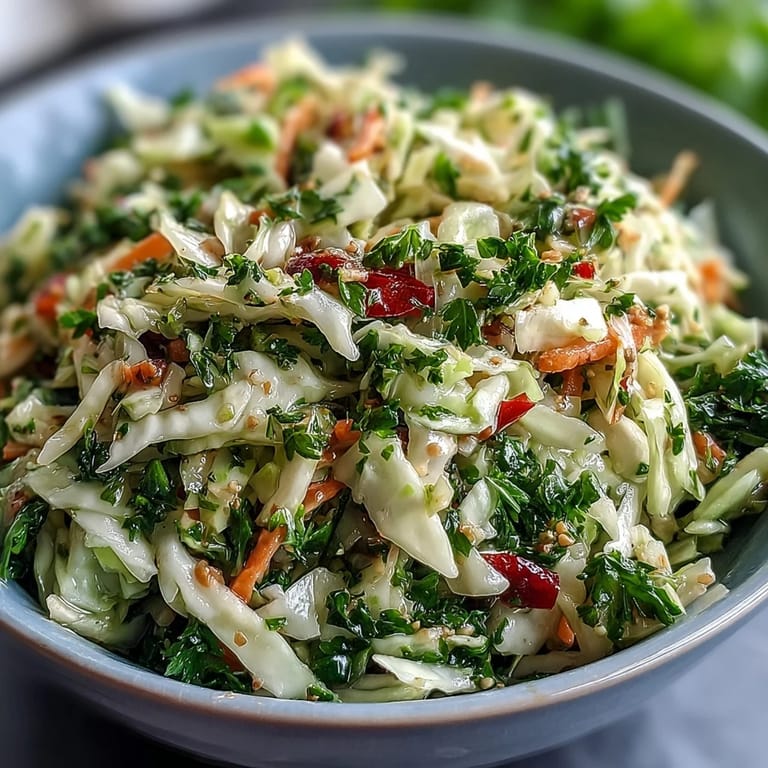
 My neighbor Maria brought a jar of homemade sauerkraut to a potluck last spring, and I watched people gravitate toward her simple slaw like moths to a flame. When she finally shared the trick—it wasn't just the fermented cabbage, but how she dressed it with barely a whisper of vinegar and a touch of sweetness—I realized I'd been overthinking slaws my whole life. Now this becomes my go-to when I need something that tastes alive on the plate.
Last summer at a backyard barbecue, I brought this slaw to pair with grilled fish, and my friend kept sneaking forkfuls straight from the serving bowl. By the end of the night, it was gone and three people asked for the recipe. There's something about the bright tang meeting that sweet undertone that makes people want to keep eating, even when they're already full.
Ingredients
- Sauerkraut, drained and lightly squeezed (1 ½ cups): This is your MVP—already fermented and packed with flavor, so drain it gently to remove excess liquid but don't wring it like laundry or you'll lose the good stuff.
- Green cabbage, finely shredded (1 cup): Fresh cabbage adds a delicate crunch that balances the fermented depth, creating two textures in one bite.
- Carrot, grated (1 medium): A small grate releases the natural sugars and lets them distribute evenly throughout, adding brightness without needing more sweetener.
- Red bell pepper, thinly sliced (½): The color matters here—it looks like you cared, and the sweetness plays beautifully against the sauerkraut's tang.
- Green onions, thinly sliced (2): They bring a whisper of sharpness that wakes up your palate between bites.
- Fresh parsley, chopped (2 tablespoons): Don't skip this; it's the green note that keeps everything from feeling too heavy.
- Extra-virgin olive oil (2 tablespoons): Quality oil here matters because it's barely heated—it carries the other flavors instead of masking them.
- Apple cider vinegar (1 tablespoon): Its gentle acidity respects the sauerkraut's sourness instead of competing with it.
- Dijon mustard (1 teaspoon): A tiny amount emulsifies the dressing and adds a subtle sophistication that catches people by surprise.
- Maple syrup or honey (½ teaspoon): Just enough to round out the sharp edges without making it taste sweet.
- Ground black pepper and salt, to taste: Taste as you go—you might need less salt than usual because sauerkraut already brings plenty.
Tired of Takeout? 🥡
Get 10 meals you can make faster than delivery arrives. Seriously.
One email. No spam. Unsubscribe anytime.
Instructions
- Gather your vegetables:
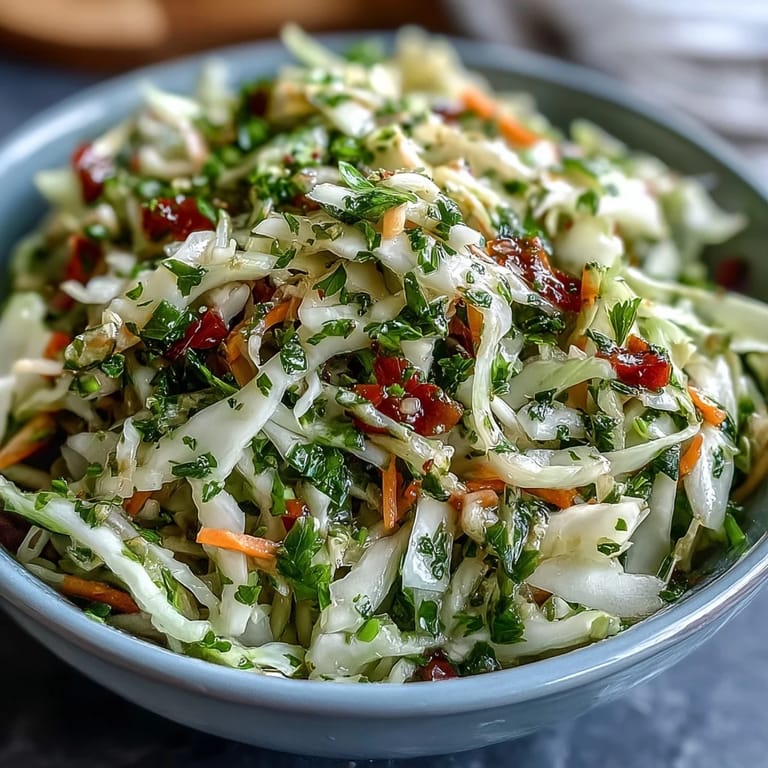
- Combine the sauerkraut, shredded green cabbage, grated carrot, sliced bell pepper, green onions, and parsley in a large bowl. You'll notice immediately how the colors pop against each other—that's how you know you're on the right track.
- Make the dressing:
- Whisk together the olive oil, apple cider vinegar, Dijon mustard, maple syrup, black pepper, and a pinch of salt in a small bowl until the mustard dissolves and everything feels cohesive. This takes about 30 seconds but that integration matters.
- Bring it together:
- Pour the dressing over the vegetable mixture and toss everything until each piece glistens with the vinaigrette. Use your hands if you need to—you'll feel when it's evenly coated better than any utensil can tell you.
- Taste and adjust:
- Take a bite and decide if you want more salt, pepper, or a touch more vinegar. This is your slaw, and it should taste like what you want for lunch.
- Let it rest:
- Sit the slaw for 10 minutes before serving so the flavors meld and the fresh cabbage softens just slightly. Even this short pause makes a noticeable difference.
 Save to Pinterest
 My mom calls this dish my "gut health cheat code" because I actually look forward to eating something fermented now instead of treating it like medicine. That shift in perspective—when food stops being about obligation and becomes something you genuinely crave—is when you know a recipe has earned a permanent spot in your kitchen.
The Magic of Fermented Vegetables
Sauerkraut gets its complexity from months of fermentation, but when you use it in a slaw, you're borrowing that work instead of starting from scratch. The flavor is already deep and developed, which means your dressing can stay simple and let the fermented quality shine. I learned this the hard way after adding way too much seasoning to a slaw years ago and drowning out what made sauerkraut special in the first place.
Building Texture and Balance
A good slaw needs contrast—soft against crisp, tangy against sweet, earthy against bright. The shredded cabbage gives fresh crunch, the carrot adds slight sweetness, and the bell pepper brings a different kind of crispness that makes each bite interesting. When you're chopping vegetables, think about how they'll feel in your mouth, not just how they'll look on the plate.
When to Serve It and How It Keeps
This slaw is flexible about timing—serve it cold straight from the fridge on a hot day, or let it come to room temperature if you're pairing it with warm food. It actually holds up better than most slaws because the sauerkraut's acidity preserves everything, and leftovers taste even better the next day as flavors deepen. Just store it in a covered bowl and it'll stay crisp and punchy for three to four days.
- Add toasted seeds (sunflower or pumpkin) just before serving if you want to bump up the crunch factor.
- Try thinly sliced radishes or fennel for even more bite and complexity.
- This pairs beautifully with grilled fish, sausages, or even as a sandwich topping.
 Save to Pinterest
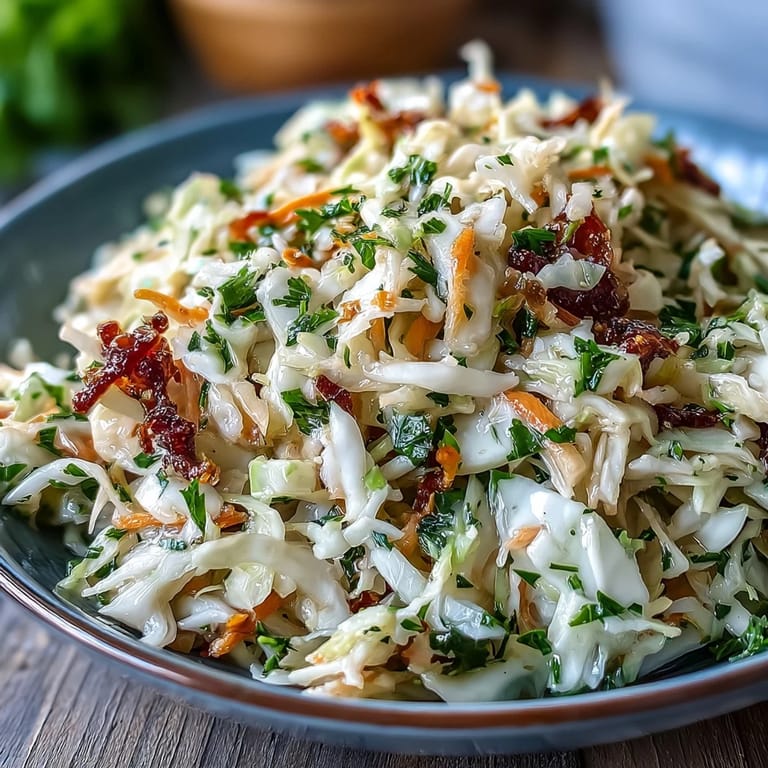
 This slaw reminds me that the simplest recipes often teach you the most about cooking, because there's nowhere to hide. When you nail it, you understand balance in a way no complicated dish can teach you.
Recipe FAQs
- → What makes this slaw gut-healthy?
The sauerkraut provides natural probiotics from fermentation, supporting digestive health and gut microbiome balance.
- → Can I make this ahead of time?
Yes, this slaw actually improves after sitting for a few hours or overnight in the refrigerator as flavors meld together.
- → Is this suitable for vegans?
Yes, when using maple syrup instead of honey, this slaw is completely vegan and gluten-free.
- → What pairs well with sauerkraut slaw?
Grilled sausages, bratwurst, fish sandwiches, roasted pork, or served as a topping for hearty sandwiches and burgers.
- → How long does homemade slaw stay fresh?
Stored in an airtight container in the refrigerator, this slaw will stay fresh for 3-5 days while maintaining its crunch.
- → Can I use different vegetables?
Absolutely—try adding thinly sliced radishes, fennel, jicama, or swap red cabbage for green cabbage for variety.