 Save to Pinterest
 There's something almost magical about how roasted garlic transforms from pungent and sharp to sweet, mellow, and utterly irresistible. I discovered this soup on a chilly November afternoon when my kitchen smelled like caramelized garlic and I realized I had the perfect ingredients to turn that aroma into something warm to share. The roasting process does all the heavy lifting—the oven does the work while you prep everything else, and by the time those golden cloves emerge, the soup practically makes itself.
I made this for my neighbor who'd just moved in, bringing it over in a thermos with some crusty bread, and watching her face when she took that first spoonful—the way her shoulders relaxed—reminded me why soup is one of life's greatest comfort gestures. She called me the next week asking for the recipe, and now whenever we see each other, there's this little understanding that this soup exists between us.
Ingredients
- 3 whole heads garlic: Roasting transforms raw garlic's bite into something sweet and nutty, and using whole heads means you get way more cloves than you'd expect.
- 1 large yellow onion, chopped: The sweetness here balances the garlic and becomes nearly invisible once blended, just pure flavor.
- 2 medium Yukon Gold potatoes, peeled and diced: These waxy potatoes hold their shape during cooking and make the soup naturally creamy when puréed.
- 2 stalks celery, chopped: Celery adds a subtle earthiness that rounds out the garlic without overpowering it.
- 1 medium carrot, chopped: A touch of natural sweetness and color that makes the soup feel more vibrant.
- 2 tbsp fresh thyme leaves (or 2 tsp dried): Fresh thyme is worth seeking out here—it brings a brightness that dried can't quite match.
- 2 tbsp fresh parsley, chopped: Parsley added during cooking gives the base herbaceousness; save more for garnish to keep it fresh.
- 1 bay leaf: Remove it before blending or you'll have little shreds floating around, trust me.
- 1 tsp dried oregano: Just enough to whisper in the background and remind you this is a proper herb soup.
- 1/2 tsp freshly ground black pepper: Fresh ground makes all the difference over pre-ground.
- 1 tsp salt (adjust to taste): Start here but taste as you go since broth varies in saltiness.
- 1.5 liters (6 cups) vegetable broth: Use good quality broth or even homemade if you have it—it's the foundation.
- 2 tbsp olive oil: Use one tablespoon for roasting the garlic and one for sautéing vegetables.
- 2 tbsp unsalted butter (optional, for richness): Butter adds a subtle richness that makes the soup feel more luxurious, but it's honestly optional.
- 2 tbsp fresh chives or parsley for garnish: A last-minute garnish brightens everything and adds a fresh contrast to the deep roasted flavors.
Tired of Takeout? 🥡
Get 10 meals you can make faster than delivery arrives. Seriously.
One email. No spam. Unsubscribe anytime.
Instructions
- Roast the garlic until it's golden and soft:
- Preheat your oven to 400°F and slice the very tops off three whole garlic heads—you want to just expose the cloves. Drizzle with a tablespoon of olive oil, wrap each head in foil, and let them roast for 35 to 40 minutes until they're soft enough that a clove squishes under a fork. The kitchen will smell incredible, and you'll understand why people get excited about roasted garlic.
- Build the flavor base with vegetables:
- While the garlic roasts, heat the remaining olive oil and butter in a large pot over medium heat. Add your chopped onion, celery, and carrot, stirring occasionally until they've softened and the onion turns translucent, about 5 to 7 minutes. This gentle sauté is where everything becomes compatible.
- Combine everything in the pot:
- Squeeze the roasted garlic cloves out of their skins (they'll slip out easily) and add them to the pot along with the diced potatoes, thyme, parsley, bay leaf, oregano, salt, and pepper. Give everything a good stir so the herbs are distributed, and you'll see the whole pot start to smell aromatic.
- Simmer until the potatoes surrender:
- Pour in your vegetable broth, bring it to a boil, then lower the heat and let it simmer gently for about 20 minutes until the potatoes are completely tender and break apart easily. This is when you can taste and adjust seasoning if needed.
- Blend into silky smoothness:
- Remove the bay leaf first, then use an immersion blender to purée the soup directly in the pot, moving it around so everything gets smooth and creamy. If you're using a regular blender, work in batches and be careful with hot liquid—let it cool slightly and never fill the blender more than halfway.
- Serve with something to make it special:
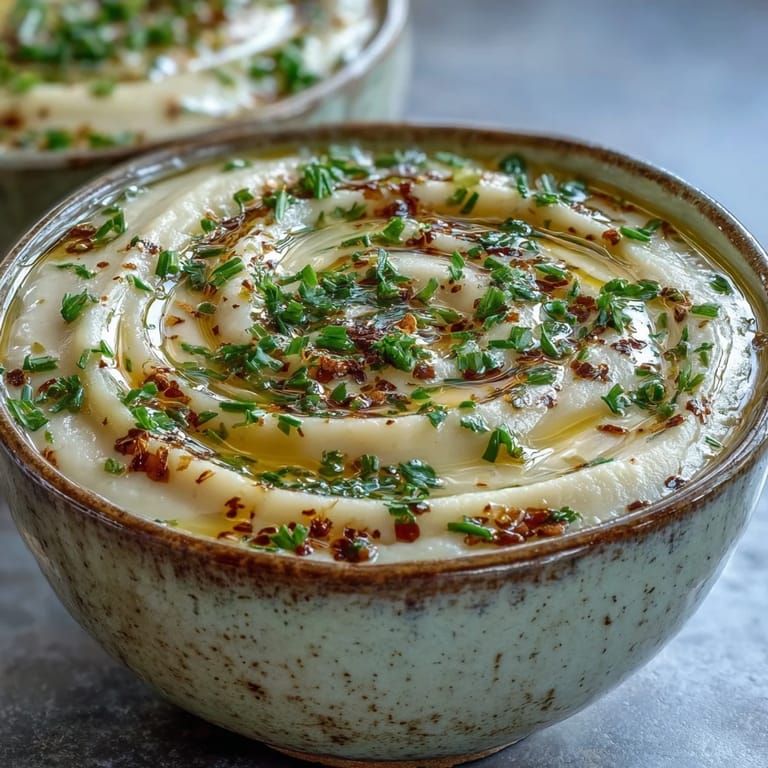
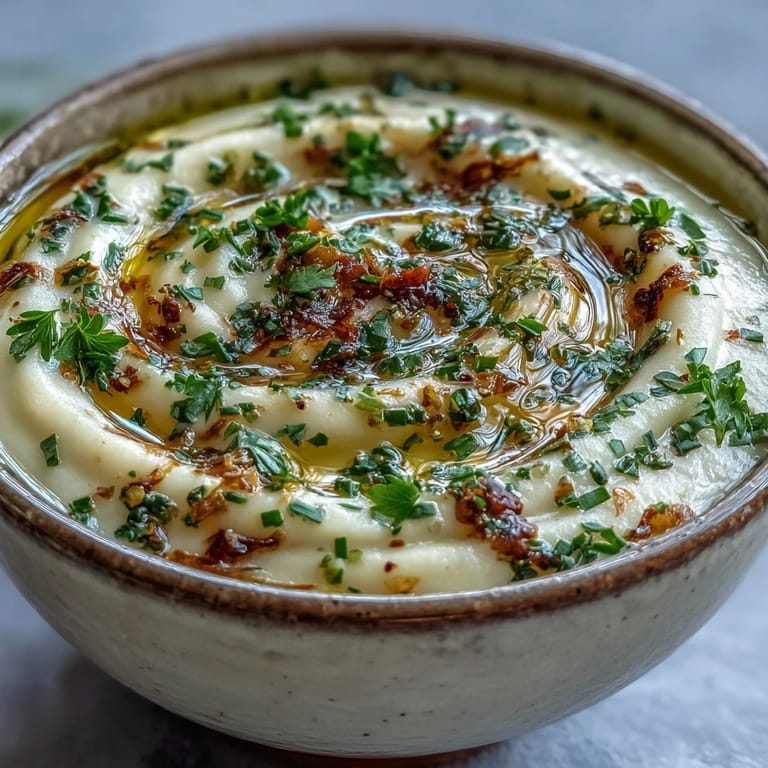
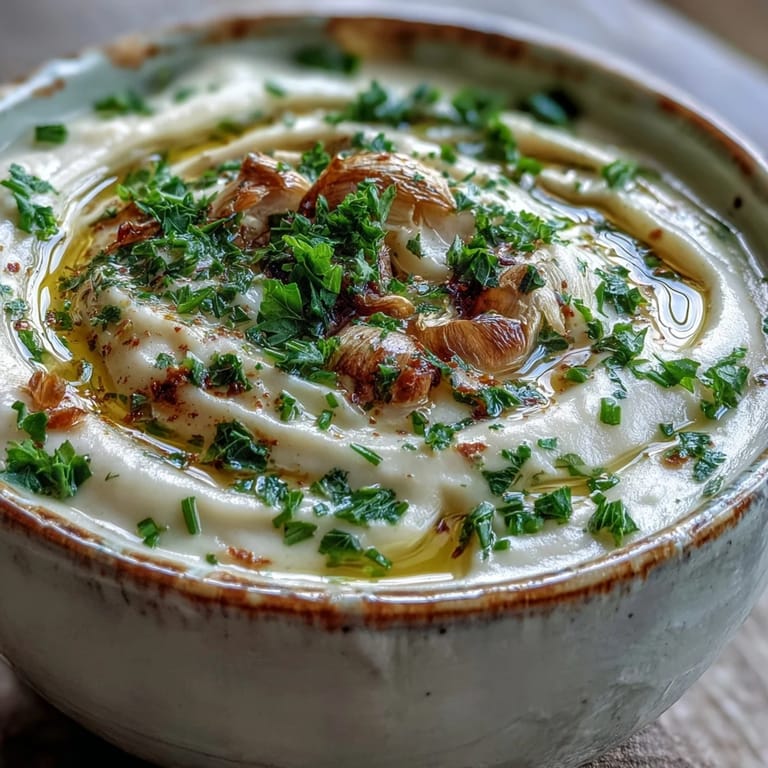
- Ladle the soup into bowls, scatter some fresh chives or parsley over the top, and serve with crusty bread on the side. The warmth of the soup, the fresh herb garnish, and the bread to dunk create a moment that feels both simple and complete.
 Save to Pinterest
 The first time I served this to friends who were skeptical about garlic-forward dishes, one of them said, "Wait, this is all garlic?" and then went back for seconds without waiting for an answer. That's when I knew this recipe had something special—it converts people.
The Magic of Roasted Garlic
Roasting garlic is honestly one of the best kitchen techniques to understand because it changes everything about how that ingredient behaves. Raw garlic is sharp and almost aggressive, but heat and time make it sweet, almost creamy, and completely approachable even for people who claim they don't like garlic. Once you roast a head of garlic and taste it, you realize that most of what people dislike about garlic is actually about how it's prepared, not the ingredient itself.
Texture and Creaminess Without Cream
What makes this soup feel luxurious is that the potatoes naturally thicken and cream everything when blended—you don't actually need heavy cream unless you want an extra-rich version. The roasted garlic also contributes a subtle body that makes the soup feel substantial even though it's mostly vegetables and broth. This is one of those recipes where the ingredients do the work instead of relying on dairy to create richness.
How to Make This Soup Your Own
Once you've made this base soup, you realize how flexible it actually is depending on what's in your kitchen or what you're in the mood for. The herbs can shift with the season—add sage in fall, tarragon in spring, or stick with what you have and it will still taste delicious. The foundation is roasted garlic and potatoes, and everything else is just you making it work for your table.
- For a vegan version, skip the butter or use your favorite plant-based option, and it honestly won't change the taste much.
- Add a splash of cream or a dollop of sour cream right into the bowl for richness if you want that kind of day.
- Leftover soup keeps for four days refrigerated and actually gets more flavorful, so make extra without guilt.
 Save to Pinterest
 There's something about a pot of soup that invites people to linger in the kitchen, to sit down and actually eat together instead of standing at the counter. Make this when you want the house to smell amazing and you want to feel like you've done something generous.
Recipe FAQs
- → How do I roast garlic for soup?
Slice the tops off whole garlic heads, drizzle with olive oil, wrap in foil, and roast at 400°F for 35-40 minutes until cloves are soft and golden. The roasted cloves squeeze easily from their skins.
- → Can I make this soup vegan?
Absolutely. Simply omit the butter or substitute with your favorite plant-based alternative. The rest of the ingredients are naturally vegan-friendly.
- → How long does this soup keep?
Store in an airtight container in the refrigerator for up to 4 days. The flavors actually develop and improve overnight. Reheat gently on the stovetet, adding a splash of broth if needed.
- → What makes this soup creamy without dairy?
The Yukon Gold potatoes break down during cooking and create natural thickness when blended. This provides a velvety texture without needing heavy cream, though you can add some if desired.
- → Can I freeze this soup?
Yes, this freezes beautifully. Cool completely before transferring to freezer-safe containers. It will keep for up to 3 months. Thaw overnight in the refrigerator and reheat on the stovetop.
- → What herbs work best in this soup?
Fresh thyme and parsley provide the backbone, while dried oregano adds earthy depth. Fresh chives make a lovely garnish. Feel free to experiment with rosemary or sage for different flavor profiles.