 Save to Pinterest
 I discovered the magic of a pink watercolor platter last spring when I was hosting a small brunch for friends and wanted something that felt both effortless and visually unforgettable. I remember standing in my kitchen, arranging delicate slices of prosciutto and radishes on a large wooden board, when my friend walked in and gasped—she said it looked like I'd painted with food. That moment changed how I think about appetizers. They don't just need to taste good; they should tell a story through their arrangement, and this pink palette became my favorite way to do it.
I'll never forget the Easter brunch where I first made this for a small crowd. My mother-in-law, who rarely compliments anything, stood in front of the platter for a full minute just looking. Then she said, "This is art," and suddenly everyone understood—we weren't just eating; we were experiencing something beautiful together. That's when I realized this platter had become more than food to me.
Ingredients
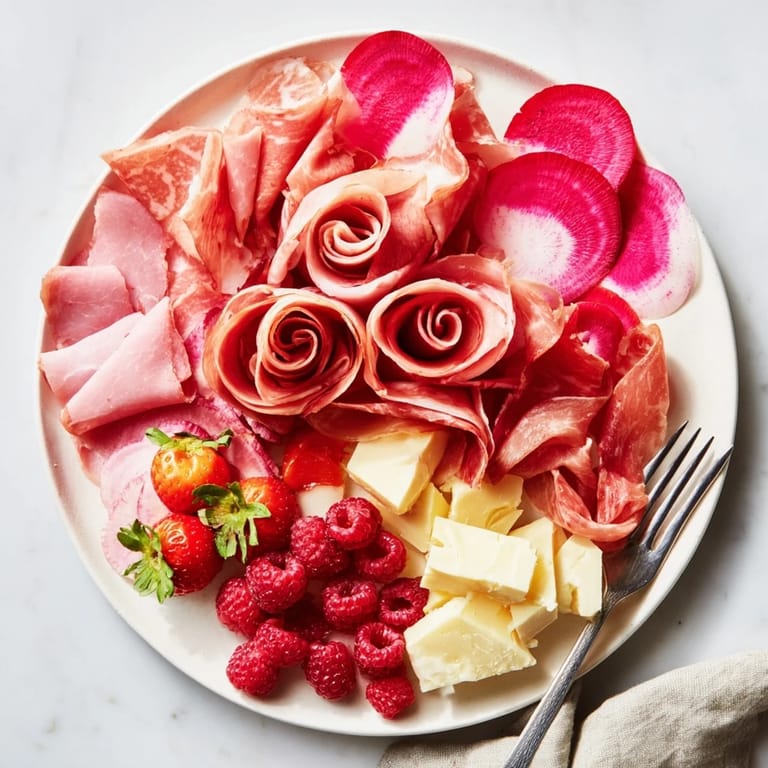
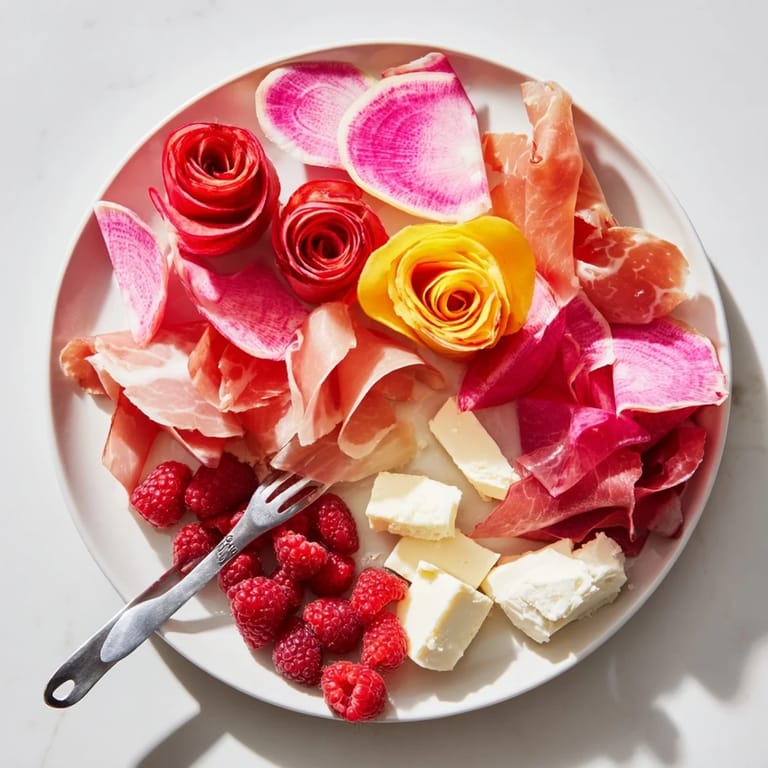
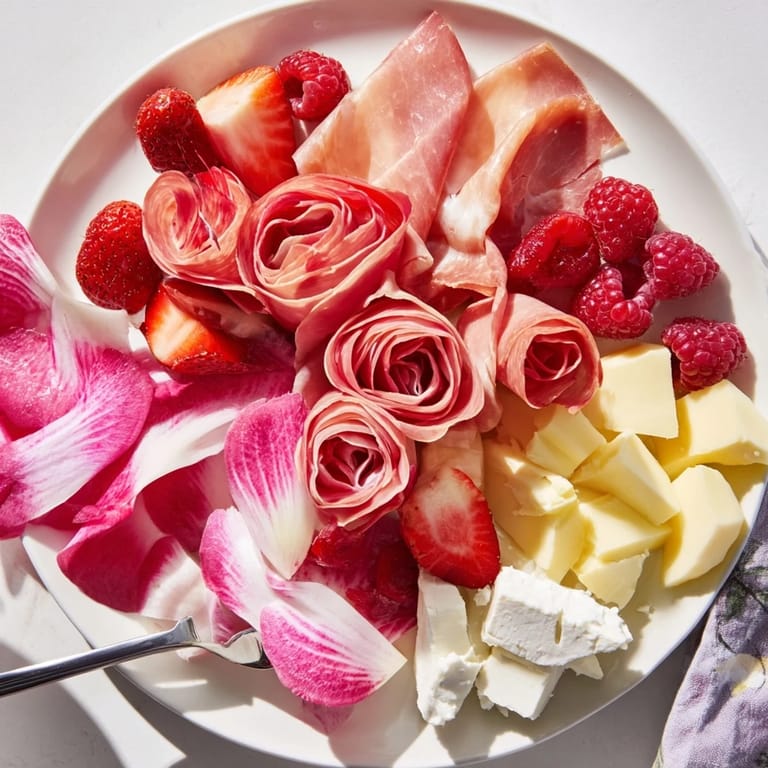
- Prosciutto, thinly sliced (100 g): Shape these delicate slices into tiny roses by rolling or folding—it's easier than it sounds, and those rose shapes become the visual anchor of your platter. I learned to let my fingers do the work gently; rushing this step crumbles the delicate meat.
- Mortadella, thinly sliced (100 g): The pale pink of mortadella provides a softer tone than prosciutto. Arrange these in loose, natural folds—think of how fabric drapes rather than how meat usually sits flat.
- Pink radishes, thinly sliced (6–8 small): These crisp, peppery rounds are your bright pink punctuation marks. A mandoline slicer makes them nearly transparent, which is where the magic happens—light passes through and they glow.
- Watermelon radish, thinly sliced (1): Cut into these and you'll find pink-and-white concentric rings that look hand-painted. Layer them slightly fanned to mimic real watercolor brush strokes.
- Beet, cooked and thinly sliced (1 small): Deep dusty red beets deepen the palette and add earthiness. Cook yours until just tender—overcooked beets become mushy and lose their jewel-like quality.
- Pink-hued cheese such as port wine Derby or rosé goat cheese (100 g): These cheeses are the color story of your board. They're not just pretty; they taste creamy and rich, often with subtle fruit notes that complement everything around them.
- Brie or camembert, cut into wedges (100 g): The classic pale cream cheese provides contrast and comfort. Cut into wedges so guests can see the soft interior—it invites them to indulge.
- Baguette, sliced (1 small): These become the edible vessels for everything else. Toast them lightly if you have time; warm bread cradles cheese and prosciutto in a way that cold bread simply can't.
- Rice crackers (1 package): A lighter, gluten-free alternative that adds another textural element without overwhelming the delicate arrangement.
- Fresh strawberries, halved (1 cup): The sweetness surprised me the first time I added berries to a charcuterie board. They're not there by accident—their brightness wakes up your palate and reminds you this is ultimately about joy.
- Raspberries (1 cup): Fragile and precious, raspberries add tiny pockets of deep pink and tart sweetness that balance the richness of the cheese and cured meats.
- Edible rose petals or microgreens (optional): A scattered handful of these at the end feels like the artist's signature. They add height and an ethereal quality that makes guests pause before they start eating.
Tired of Takeout? 🥡
Get 10 meals you can make faster than delivery arrives. Seriously.
One email. No spam. Unsubscribe anytime.
Instructions
- Set Your Canvas:
- Start with your large platter or board—this is where the magic begins. I use a wooden board because the grain itself echoes the flowing nature of watercolor. Take a moment to imagine your color flow: where will the deepest reds go? Where will the palest pinks dance? This brief pause makes the actual arranging feel less like work and more like play.
- Create Your Rose Focal Points:
- Take a slice of prosciutto and gently roll or fold it into a loose rose shape. The key word is gentle—you're not trying to create a perfect bloom, just a suggestion of one. Group these roses in clusters across your board, leaving breathing room between them. They become the focal points that draw the eye.
- Lay Down Soft Folds:
- Arrange mortadella slices in loose, natural folds beside the prosciutto. Let them overlap slightly and crease naturally—think of how silk might bunch and flow. This creates visual movement without looking staged.
- Paint with Radishes:
- Now the real watercolor magic begins. Arrange your pink radish slices in overlapping, slightly fanned layers. Each slice should catch the light a little differently. Layer the watermelon radish rings nearby so the pink-and-white interior is visible. These are your thin, delicate brush strokes—the foundation of the entire aesthetic.
- Add Depth with Beets:
- Scatter cooked beet slices in a way that echoes the radish placement, but in deeper tones. The beets ground the palette and add richness. If you're worried about beet color bleeding onto delicate items, place them slightly apart or position them toward one end of the board.
- Cluster Your Cheeses:
- Arrange pink cheese slices and brie wedges in loose clusters. Let the colors blend visually with the meats and vegetables around them. This isn't about geometric precision; it's about allowing the colors to have a conversation with each other on the board.
- Intersperse Bread and Crackers:
- Arrange baguette slices and rice crackers in gentle curves along one edge or interspersed throughout, filling gaps and providing resting points for guests' eyes. These become the texture contrasts and the edible foundations for everything else.
- Scatter Berries Like Finishing Touches:
- Add strawberry halves and raspberries in small piles in the spaces between other ingredients. They bring brightness, sweetness, and another layer of pink tones. Don't scatter them too evenly—let them feel a bit like they tumbled into place.
- Final Flourish:
- If you're using edible rose petals or microgreens, scatter them across the board with the confidence of an artist signing their work. These final touches elevate everything from "nice charcuterie board" to "I made this for you, and I was thinking about beauty when I did."
- Serve with Intention:
- Bring the platter to the table and let your guests see it before anyone reaches for anything. This moment of appreciation, even if it's just a few seconds, honors the care you put into the arrangement. Then encourage everyone to mix and match—let them build their own flavor combinations.
 Save to Pinterest
 What I love most is watching people approach this platter. They pause. They look at it from different angles. They take a photo or two—not because they're vain, but because they want to remember how it made them feel. That moment, right before everyone digs in, is when the food becomes memory.
The Story Behind the Colors
Spring was on my mind when I first thought about a pink watercolor platter. I'd spent the morning looking at watercolor paintings—those soft, blended washes of color that seem to flow into each other—and I wondered if food could evoke the same feeling. I started collecting pink ingredients almost like gathering paint tubes: prosciutto, radishes, berries, specially chosen cheeses. The moment I arranged them all together, I understood that food is a medium too, just like paint. The colors tell a story about the season, about care, about intention. Every time I make this now, I'm thinking about what that particular gathering means and choosing colors that match the mood.
How to Make It Your Own
The beauty of this platter is that it's a framework, not a formula. I've adapted it dozens of times depending on what's in season and who I'm cooking for. One spring, I added pickled onions for tartness and visual interest—those pale pink rings played beautifully with the fresh radishes. Another time, I scattered pink peppercorns across the board and discovered they added a subtle, delicate heat that made people go back for more. I've also made vegetarian versions by replacing the prosciutto and mortadella with marinated artichoke hearts and thin slices of pink-hued vegetables, and honestly, they're just as stunning. The rule is simple: keep the pink and pale red palette, but feel free to swap ingredients based on what excites you.
Wine Pairings and Serving Ideas
Rosé wine is the obvious pairing, and it's the right one—pale pink wine echoing pale pink food feels intentional and complete. But I've also served this alongside sparkling water with fresh raspberries, light white wines like Pinot Grigio, or even champagne for special occasions. The delicate flavors of the platter don't need heavy wines; they want partners that are refreshing and won't overpower. I always serve everything at room temperature or slightly cool, and I keep the platter in a cool place until the moment guests arrive. There's something about the temperature of food—it affects how flavors land—and these delicate ingredients shine when they're cool and crisp.
- Rosé wine is the perfect companion, but don't shy away from sparkling water or light whites.
- Serve everything at room temperature for the best flavor balance.
- Set out small plates and encourage guests to create their own combinations rather than grabbing with hands directly from the board.
 Save to Pinterest
 This platter has taught me that sometimes the most memorable meals aren't about complicated cooking—they're about paying attention to beauty and generosity. Every time you make it, you're giving your guests the gift of something made with intention.
Recipe FAQs
- → How do I shape prosciutto into rose-like forms?
Roll or fold thin prosciutto slices loosely to resemble petals, then group them together on the platter to mimic roses.
- → Can I make this platter vegetarian?
Yes, simply omit the meats and increase the variety of cheeses and vegetables for a colorful and satisfying alternative.
- → What cheeses work best for the pink hues?
Pink-hued cheeses like port wine Derby, rosé goat cheese, or berry-washed rind cheeses complement the platter beautifully.
- → How should I slice the vegetables for the best effect?
Use thin slices, ideally with a mandoline slicer, to create overlapping layers that mimic watercolor brush strokes on the platter.
- → What pairing suggestions enhance this platter's flavors?
Rosé wine pairs wonderfully, and adding pickled onions or pink peppercorns can elevate the flavor complexity.