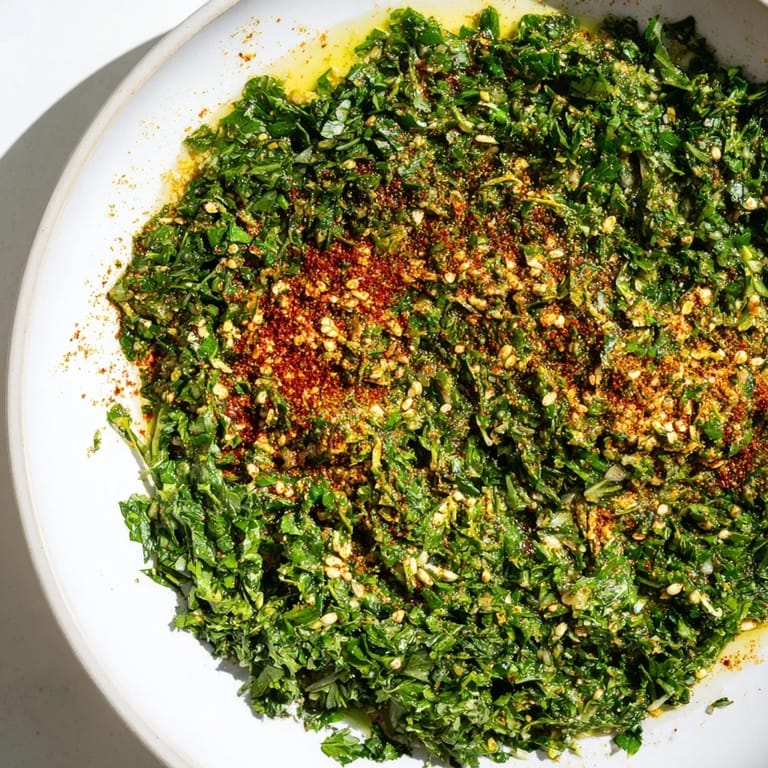
 Save to Pinterest
 My first encounter with chermoula was at a small seafood restaurant in Essaouira, where the waiter presented our grilled branzino with this electric green sauce that seemed to vibrate on the plate. The aroma alone—cilantro, lemon, and something warm and spiced—made me lean in before even tasting it. When I finally tried to recreate it at home, I realized the magic wasn't in exotic ingredients but in how generously the herbs were chopped and how the olive oil carried every flavor into the fish. Now whenever I make it, that Moroccan coastal breeze seems to drift through my kitchen.
I made this for my partner on a Tuesday night when they'd had a terrible day, and the smell of lemon and cilantro hitting the hot pan seemed to shift something in the kitchen—suddenly it felt less like cooking and more like an act of care. They took one bite of that sea bass and just closed their eyes, and I knew I'd nailed it.
Ingredients
- Fresh cilantro and parsley: Don't shy away from a full cup—these are the backbone, and wilted herbs won't carry the same punch.
- Garlic and shallot: Minced fine so they distribute evenly and soften slightly in the oil without turning bitter.
- Lemon zest and juice: The zest adds brightness that juice alone can't achieve; use a microplane for the finest texture.
- Cumin, paprika, and coriander: Toast these in a dry pan for 30 seconds before adding if you want deeper flavor, though it's not required.
- Cayenne pepper: The heat is optional—start with a quarter teaspoon if you're unsure.
- Extra-virgin olive oil: This is what binds everything into a paste, so use something you'd actually taste on bread.
- Sea salt: Coarser than table salt, it dissolves more slowly and gives you better control over seasoning.
Tired of Takeout? 🥡
Get 10 meals you can make faster than delivery arrives. Seriously.
One email. No spam. Unsubscribe anytime.
Instructions
- Gather and chop your greens:
- Roughly measure out your cilantro and parsley, then chop them as fine as you can without turning them into a sad pulp—a sharp knife and a cutting board make this less tedious. Throw them into your bowl.
- Add the pungent bits:
- Mince your garlic until it's almost paste-like and add it along with the shallot if you're using one. This is where the marinade starts smelling like something you want to eat.
- Zest and juice:
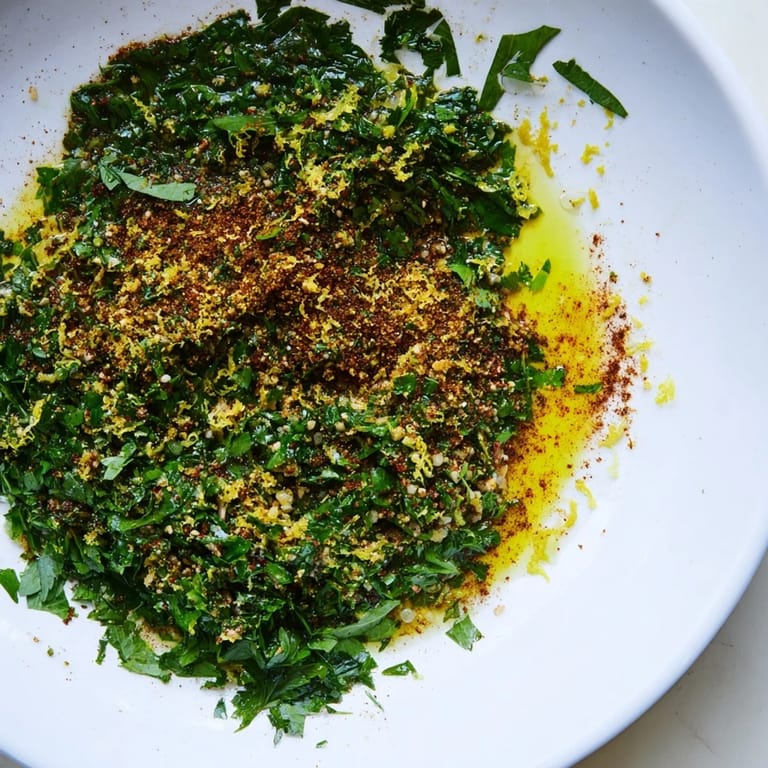
- Grab your lemon and zest it directly over the bowl, then squeeze the juice in. Don't hold back on the juice—it's what keeps everything bright.
- Bloom your spices:
- Sprinkle in the cumin, paprika, coriander, cayenne, and black pepper. Don't stir yet—let them sit for a moment so they start releasing their oils.
- Pour and emulsify:
- Slowly pour in your olive oil while stirring, watching as the mixture transforms from separate ingredients into a cohesive, fragrant paste. This is the satisfying part.
- Taste and adjust:
- Take a tiny taste on the tip of your finger—is it bright enough? Salty enough? Add more lemon or salt as needed, and remember you can always add more heat later if it feels flat.
- Marinate your fish:
- Coat your fillets generously, making sure the paste gets into every crevice, then cover and refrigerate for 30 minutes to 2 hours. The longer it sits, the more the spices settle into the fish.
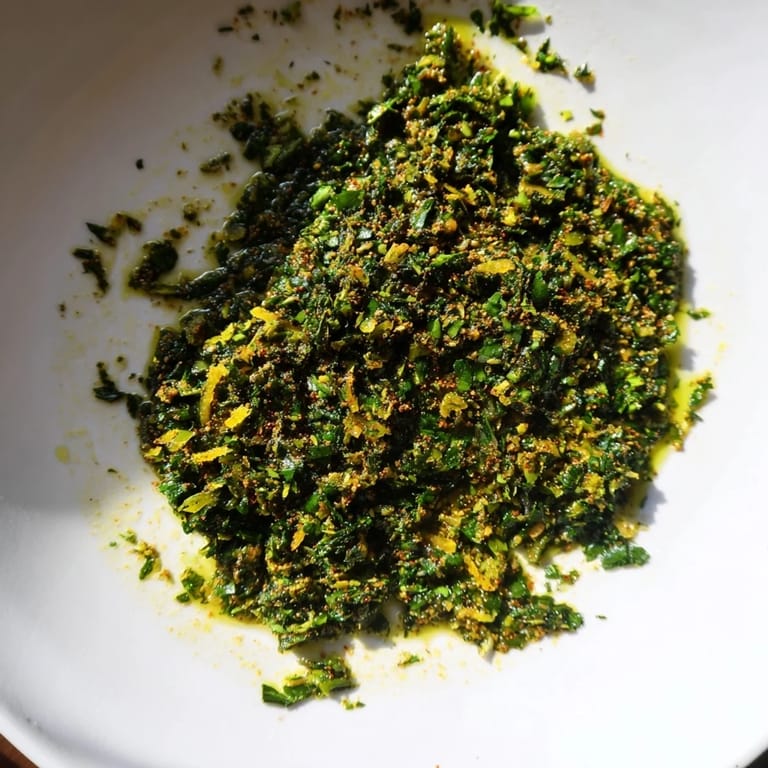 Save to Pinterest
 There's a moment when you first smell chermoula hitting a hot pan with fish that feels almost ceremonial, like you've unlocked something ancient and simple. My grandmother would probably recognize this flavor even though she never made it—it's the kind of marinade that exists across cultures because it just works.
Fish That Sings with Chermoula
White fish is the obvious choice because its delicate flesh absorbs the marinade without fighting back—think sea bass, snapper, or cod. But shrimp deserves a mention because the sauce clings to it beautifully and cooks in minutes. I've also done this with mackerel when I wanted something bolder, and the richness of the fish actually deepened the spice notes in unexpected ways.
Beyond Fish
Once you have this paste in your fridge, you start seeing possibilities everywhere. Chicken breasts transform under a thick coating, vegetables like zucchini and eggplant soak it up like they've been waiting for it their whole lives, and I've even used it as a finishing sauce for roasted cauliflower when I wanted something with more personality. The point is that chermoula is less a specific recipe and more a flavor template—generous and forgiving.
Making It Your Own
The beauty of a marinade is that you get to taste as you go, adjusting heat or brightness to your preference without apology. Some versions include ground ginger or a pinch of saffron, others swap mint for half the cilantro. A friend once added a tablespoon of harissa and called it a different dish entirely, and it was.
- If you prefer it blended smooth, pulse everything in a food processor and accept that the color becomes less vibrant but the texture becomes silkier.
- Make a double batch and freeze it in ice cube trays for moments when you want a shortcut dinner with real flavor.
- Keep a bowl of this in your fridge during summer and you'll never scramble for what to cook.
 Save to Pinterest
 This is the kind of recipe that becomes a secret weapon in your kitchen, the thing you make when you want to feel like a better cook without actually trying harder. Once you've made it once, you'll keep making it.
Recipe FAQs
- → What ingredients give the marinade its bright flavor?
Fresh cilantro, parsley, lemon zest, and lemon juice combine to provide vibrant citrus and herb notes.
- → Can the spice level be adjusted?
Yes, reducing cayenne pepper lowers the heat for a milder profile.
- → Which proteins work best with this blend?
White fish like cod, snapper, or sea bass are ideal, but it also pairs well with shrimp, chicken, or vegetables.
- → How long should the mixture marinate before use?
For best flavor, marinate fish for 30 minutes to 2 hours before cooking.
- → Is the marinade suitable for special diets?
Yes, it is gluten-free, dairy-free, and pescatarian friendly.
- → Can I prepare the mixture in advance?
Yes, blend ingredients ahead using a food processor for a smoother texture and store refrigerated.