 Save to Pinterest
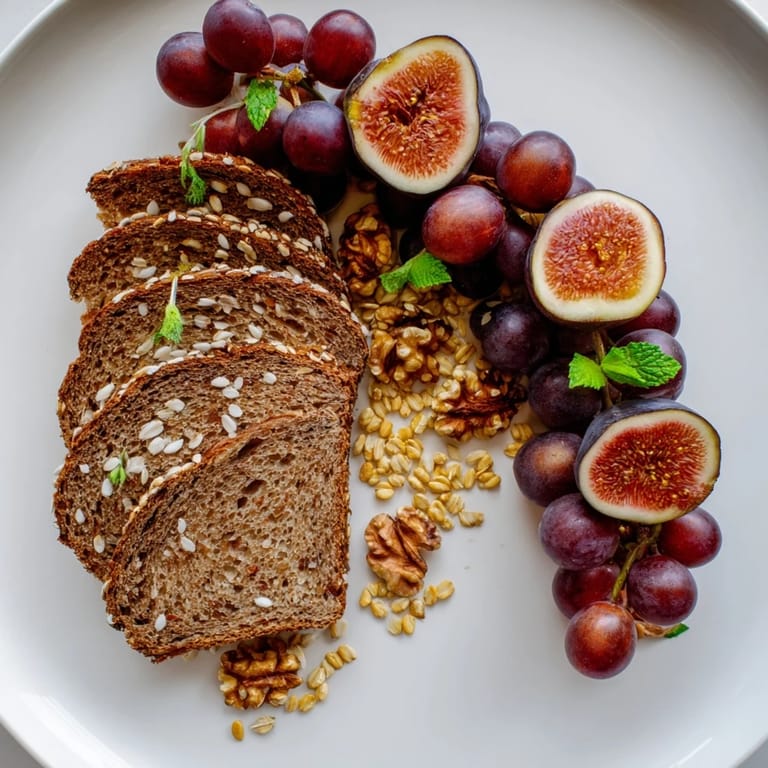
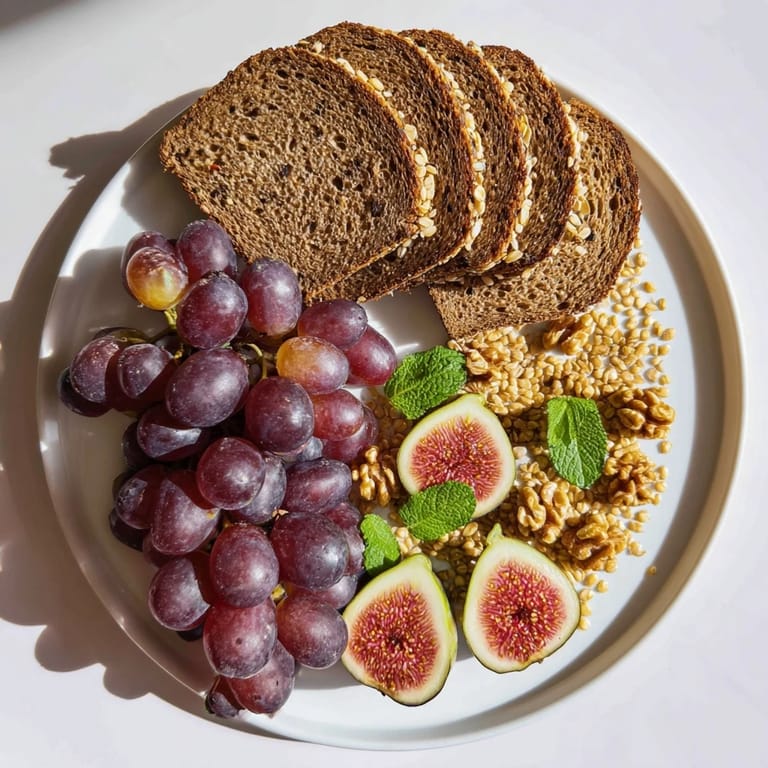
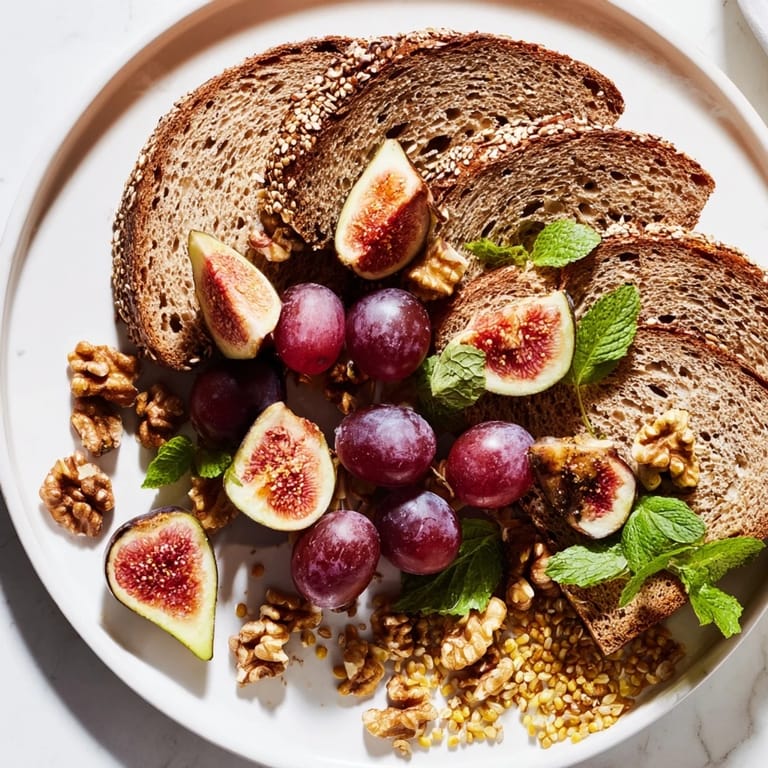
 My neighbor Margaret called on a Thursday morning asking if I could help set up for her garden party, and within an hour I found myself standing in her sunny kitchen, staring at a bare wooden board and wondering how to make something that felt less like a charcuterie board and more like an edible landscape. The Harvest Scythe came together almost by accident—I arranged the breads in a curve, stepped back, and suddenly saw it: a sweeping motion frozen in food, like a farmer's arc across golden grain. What started as improvisation became the centerpiece that had guests returning to the table all afternoon, not just for the food but for the story of how it got there.
I made this for my sister's book club last summer, and I watched these normally chatty women go quiet for a moment when they saw it—that pause when something beautiful arrives at the table. Someone asked if they were allowed to eat it or if it belonged in a museum, which made everyone laugh and broke the spell. That platter disappeared faster than any dessert I've ever brought, and half the requests afterward were for the arrangement tips, not the ingredient list.
Ingredients
- Baguette, sliced: Choose a crusty, fresh one from a bakery if you can—the contrast between crisp exterior and tender crumb matters when there's nothing else to cook it with.
- Multi-grain crackers: These add visual variety and a sturdy base for cheese; look for ones with seeds visible on the surface.
- Seeded rye bread, thinly sliced: Rye's earthy flavor and dark color anchor the whole arrangement visually and taste-wise.
- Cooked and cooled farro or barley: This is your golden field—cook it ahead so it's completely room temperature and won't wilt anything it touches.
- Seedless red grapes: Their jewel tone and neat shape make them do most of the visual heavy lifting.
- Sliced pears and apples: Toss these with a tiny squeeze of lemon juice the moment you slice them to keep the flesh from browning.
- Dried apricots: Their chewy sweetness bridges the gap between bread and fresh fruit beautifully.
- Fresh figs, halved: If you can find them, they're worth it—that interior is almost impossibly beautiful and the flavor is subtle sophistication.
- Brie and aged cheddar: Optional but worthwhile—brie melts into the bread if it's warm enough, and cheddar's sharpness wakes up the palate.
- Honey or fig jam: A small bowl at the edge transforms the whole thing from a platter into an experience.
- Fresh mint and roasted nuts: Mint adds an unexpected green note and nuts bring a textural surprise that keeps people coming back.
Tired of Takeout? 🥡
Get 10 meals you can make faster than delivery arrives. Seriously.
One email. No spam. Unsubscribe anytime.
Instructions
- Set your stage:
- Choose a wooden board or platter large enough to feel generous—you're not cramming, you're creating a landscape. Arrange the sliced breads and crackers in a sweeping curve like a scythe's blade, overlapping them slightly so they create that sense of motion and direction.
- Build the field:
- Spread the cooled farro or barley along the inner curve of your bread arrangement, keeping it in a thin, natural-looking layer. This is your golden grain field, so don't be precious about perfection.
- Paint with fruit:
- Fan the apples, pears, and grapes between and alongside the breads, letting colors and textures find their own balance. The arrangement should feel like a snapshot of abundance, not a geometry lesson.
- Scatter the accents:
- Place small clusters of cheese near the breads for easy pairing, then tuck dried apricots and figs into the gaps where they catch the light. These darker elements ground the brighter fruits and create visual rhythm.
- Add the finishing touches:
- Pour small bowls of honey or jam at the board's edge, scatter roasted nuts across the top in a way that looks almost careless, and dot fresh mint leaves throughout for unexpected pops of color. Step back and look at it before anyone sees it—you've earned a moment to admire your work.
 Save to Pinterest
 There's a moment when you finish arranging this platter where you realize you've done something with your hands that's both delicious and beautiful, and that matters more than you'd think in a rushed world. My neighbor Margaret still talks about that Thursday afternoon, and I'm pretty sure it wasn't about the grapes.
The Art of Arrangement
The scythe shape isn't random—it creates a natural flow that guides people's eyes and hands around the board in a gentle arc. When you arrange food with intention like this, you're not just feeding people, you're inviting them into a moment. I learned this by accident, but now I think about the curve of bread and the sweep of fruit every time I set a table. It's the difference between putting food down and creating an experience.
Substitutions and Seasonal Play
Summer means berries and plums nestled between the grains, while autumn calls for sliced pears and roasted hazelnuts scattered like treasure. Winter is the rye bread and dried fruit's moment to shine, and spring wants fresh strawberries and delicate herbs. I've made gluten-free versions by swapping crackers and breads, and honestly, the arrangement carries it—people eat with their eyes first. The cheese is optional but the honey is sacred; it's the element that transforms bread and fruit into something you want to linger over.
Serving and Sharing
This platter wants to be served on a wooden board, preferably one that's seen some life and has a little patina to it. Pair it with crisp white wine, sparkling water with lemon, or nothing but conversation—it truly doesn't need much. I've learned that the best part of food like this isn't the individual ingredients but the moment when people realize this is their invitation to graze, to linger, to choose what speaks to them.
- Assemble no more than 15 minutes before serving to keep everything fresh and the mint vibrant.
- If you're transporting it, keep a damp paper towel nearby to refresh the mint just before arrival.
- The leftovers make incredible sandwiches the next day if anyone can resist finishing it the moment it appears.
 Save to Pinterest
 There's real magic in food that doesn't require a stove, that celebrates ingredients at their best, and that brings people together without pretense. Make this platter and watch what happens when beautiful, simple things arrive at the table.
Recipe FAQs
- → What breads work best for this platter?
Use a mix of sliced baguette, seeded rye, and multi-grain crackers for varied texture and taste.
- → Can the grains be replaced with something else?
Farro or barley provide chewiness, but cooked quinoa or bulgur are excellent alternatives.
- → How should the fruits be prepared and arranged?
Slice pears and apples thinly, halve figs, and arrange fruits to fan naturally among breads for visual balance.
- → Are cheeses necessary for this platter?
Cheeses are optional; brie and aged cheddar complement flavors but can be omitted or swapped for plant-based options.
- → What garnishes enhance flavor and presentation?
Fresh mint leaves add aroma, while roasted almonds or walnuts contribute crunch and depth.
- → How to serve and store the platter?
Serve immediately to maintain freshness. If prepping ahead, keep components chilled and assemble just before serving.