 Save to Pinterest
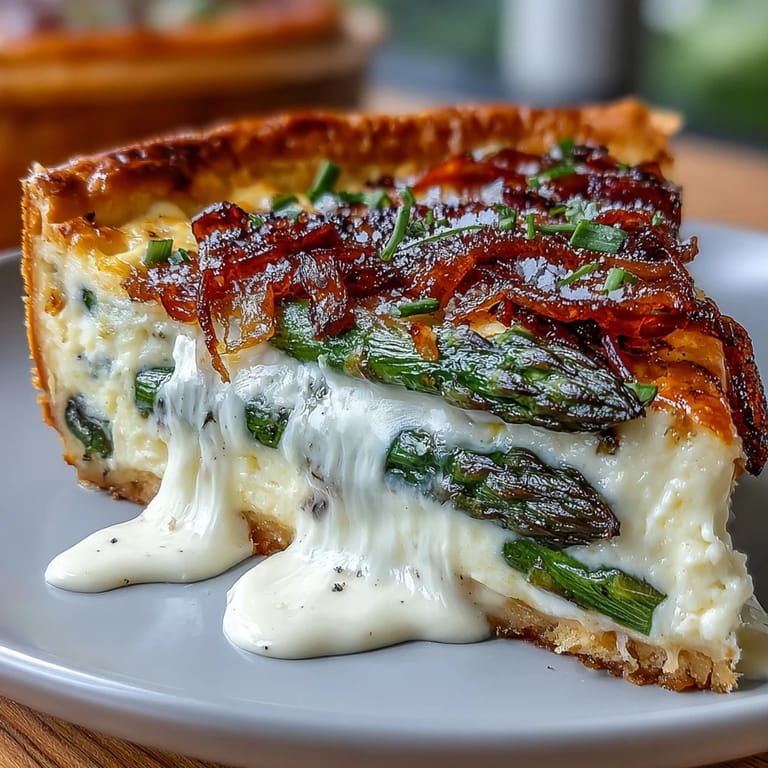
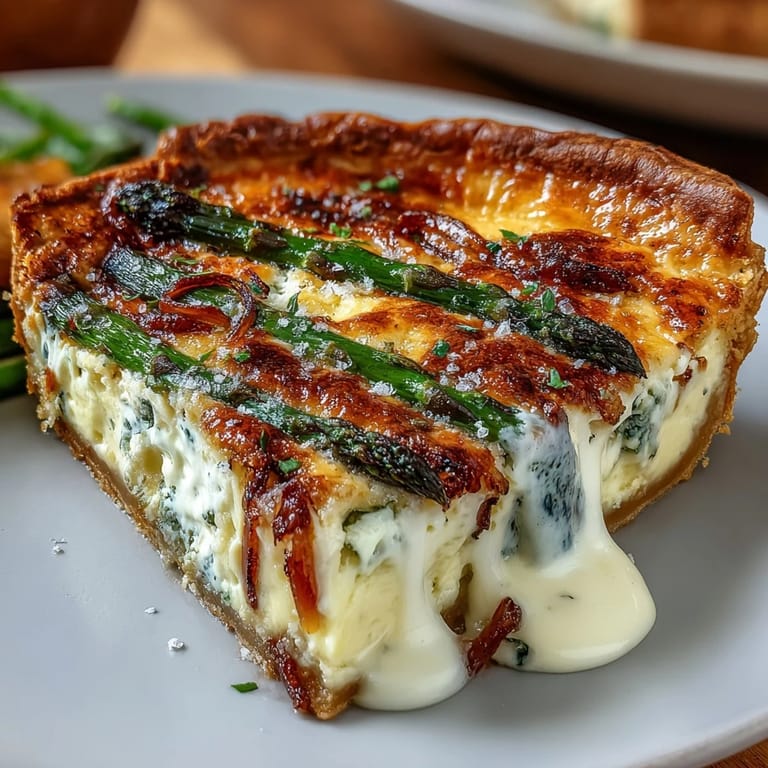
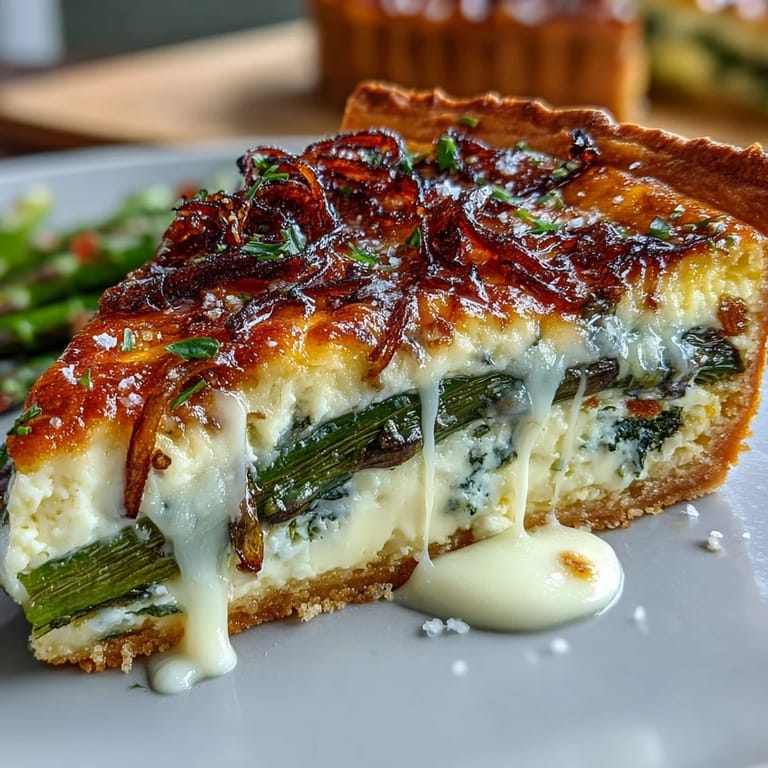
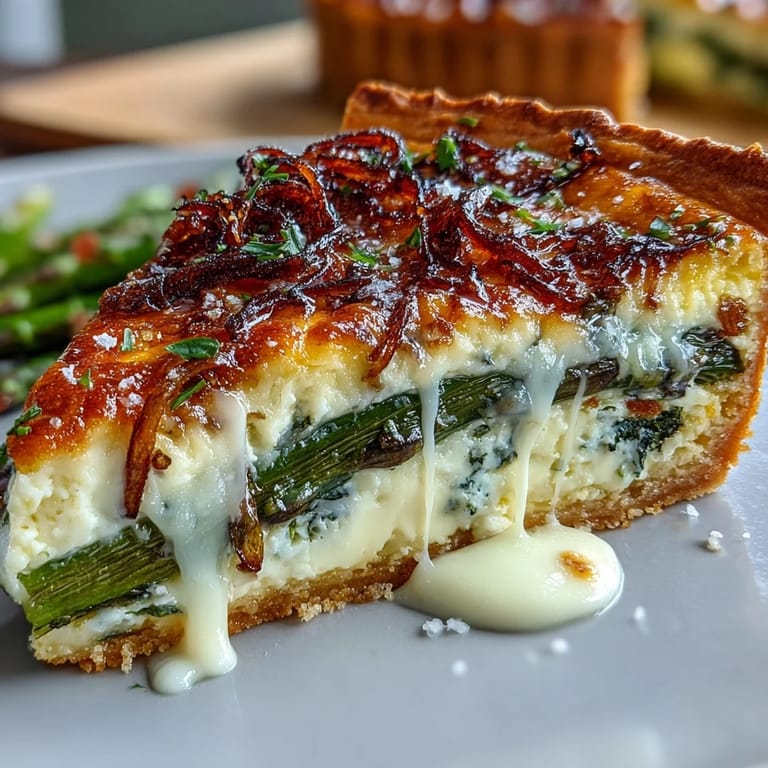
 Steam drifted up from the oven as the smell of butter and Gruyère quietly wandered through the kitchen window. Blanching asparagus on the first truly warm Saturday in April, I cracked jokes to myself about mastering French cuisine when I can barely pronounce tart pan. There's a bright satisfaction in lining each spear across the quiche, their green tips a nod to the season outside. Who would have guessed something as simple as whisked eggs and cream could turn asparagus into an almost celebratory meal? Maybe it's just the lightness of spring air that makes this recipe come together so easily.
I first made this quiche for friends who arrived on bicycles, still flushed from the ride and hungry for something that felt effortless. We perched on mismatched chairs, slicing into the still-warm pastry and laughing about whose asparagus piece got the most cheese. That afternoon rewrote my idea of brunch: easy, unfussy, but just a little bit special.
Ingredients
- All-purpose flour: Take time to measure carefully—too much will make your crust tough instead of tender.
- Unsalted butter: Keep it as cold as possible and work quickly with your fingertips for the flakiest pastry.
- Salt: Just the right pinch highlights the buttery crust and keeps flavors balanced.
- Ice water: The secret to a dough that comes together without becoming sticky or overworked.
- Olive oil: Use a gentle, fruity one to subtly boost the caramelization of the shallots.
- Shallots: Take your time here—the slower you cook them, the sweeter and more golden they'll become.
- Fresh asparagus: Look for firm spears with tight tips; thicker stalks can be peeled for even tenderness.
- Gruyère cheese: This cheese’s nutty sharpness makes the filling sing, but don't be afraid to swap for Emmental or sharp cheddar in a pinch.
- Eggs: Room temperature eggs whip up best, making the custard silky smooth every time.
- Heavy cream and whole milk: Combining both ensures a rich texture without overwhelming heaviness.
- Fine sea salt and black pepper: Freshly ground pepper adds a gentle heat—it’s worth the extra twist.
- Nutmeg: Just a tiny pinch deepens the custard flavor with subtle warmth.
Tired of Takeout? 🥡
Get 10 meals you can make faster than delivery arrives. Seriously.
One email. No spam. Unsubscribe anytime.
Instructions
- Make the pastry:
- Whisk flour and salt before working in cold, cubed butter with quick fingers until the mix is crumbly and cool. Trick in ice water, tablespoon by tablespoon, just until the dough binds—stop as soon as it holds together and gather it into a disc for a rest in the fridge.
- Preheat the oven:
- Set your oven to 375°F (190°C) while you dust your workspace for rolling out the dough.
- Roll and fit the crust:
- Roll chilled dough into an even thin round and carefully tuck it into your pan, trimming the edges and pricking the base. Layer with parchment and weights, then blind bake and remove them to let your crust catch the faintest golden color.
- Caramelize the shallots:
- In a warm skillet, swirl in olive oil and scatter shallots—stir them patiently until golden and jammy, then set them aside for later glory.
- Blanch your asparagus:
- Drop asparagus into simmering salted water for a short bath, just until crisp-tender, then chill them in cold water—pat dry for perfect texture.
- Whisk the custard:
- Beat together eggs, cream, milk, a pinch of salt, pepper, and nutmeg until silky and light; you want no streaks and maximum fluffiness.
- Layer your filling:
- Spread caramelized shallots in the cooled crust, then scatter asparagus and Gruyère generously across. Pour the custard gently on top, letting it seep into every nook.
- Bake:
- Slide the filled quiche into the oven and bake until the center is softly set and the edges puffed and golden—keep an eye out starting at 35 minutes.
- Rest and serve:
- Give it at least 10 minutes to settle before you slice—this is when it firms up to perfect, creamy wedges.
 Save to Pinterest
  Save to Pinterest
 Serving this quiche outdoors for the first time, I remember the sun glinting off the melted cheese and everyone reaching for seconds as if they’d just discovered a new favorite. There was an ease to that day that I still try to bring into the kitchen, especially when making something that begs to be shared.
How to Make It Your Own
I've swapped Gruyère for sharp white cheddar on rainy days with no grocery store run in sight, and added sprigs of dill when I wanted a herbal lift. It's the sort of recipe that welcomes tweaks, so don't shy away from folding in your favorite greens or scattering fresh chives on top before baking.
Serving Suggestions & Pairings
This quiche practically asks for a simple green salad dressed in lemony vinaigrette or a handful of cherry tomatoes tossed with olive oil. Sometimes I'll serve it with a few slices of smoked salmon or a crisp glass of chilled white wine for a light lunch that feels just right.
Common Mistakes & Quick Fixes
One time I overloaded the filling—delicious in theory, but the bake was uneven and the custard lopsided. Less is more: give the eggs room to puff. If you bite into a soggy slice, try baking the empty crust just a bit longer next time.
- Always let your crust cool before adding the filling.
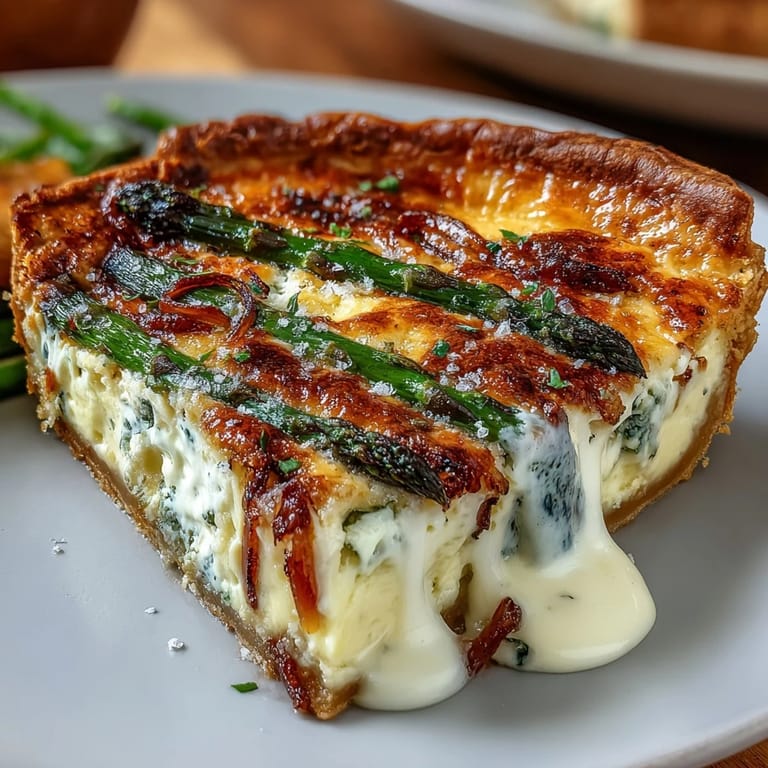
- Arrange the asparagus tips on top for a pretty presentation.
- Cover the edges with foil if they brown too quickly in the oven.
 Save to Pinterest
  Save to Pinterest
 I hope this spring quiche brings as much brightness to your table as it does to mine every time asparagus season rolls around. Enjoy every slice—especially the ones stolen straight from the pan when no one's watching.
Recipe FAQs
- → Why blind-bake the crust?
Blind-baking firms and browns the pastry so the custard doesn't make the bottom soggy. Using parchment and weights keeps the shell from shrinking and ensures a crisp base.
- → How can I avoid a soggy bottom?
Par-bake the crust until lightly golden, drain and thoroughly pat dry any vegetables, and avoid overfilling with custard. A brief rest after baking also helps the filling set without releasing excess moisture.
- → What are good substitutes for Gruyere?
Good swaps include Emmental, Swiss, or a sharp white cheddar. Choose a cheese that melts smoothly and complements the shallots and asparagus.
- → Best method to cook asparagus for this dish?
Blanch asparagus for 1–2 minutes and shock in ice water to keep it bright and tender-crisp, then pat dry. Alternatively, roast or sauté for a deeper flavor before adding to the tart.
- → Can this be prepared ahead of time?
You can make the crust and caramelized shallots a day ahead. Assemble and bake when ready, or fully bake and refrigerate for up to 2 days, then reheat in a low oven to refresh the crust.
- → How should leftovers be reheated?
Reheat slices in a 325–350°F (160–175°C) oven until warmed through to preserve crust texture. Microwaving is quicker but may soften the pastry.