 Save to Pinterest
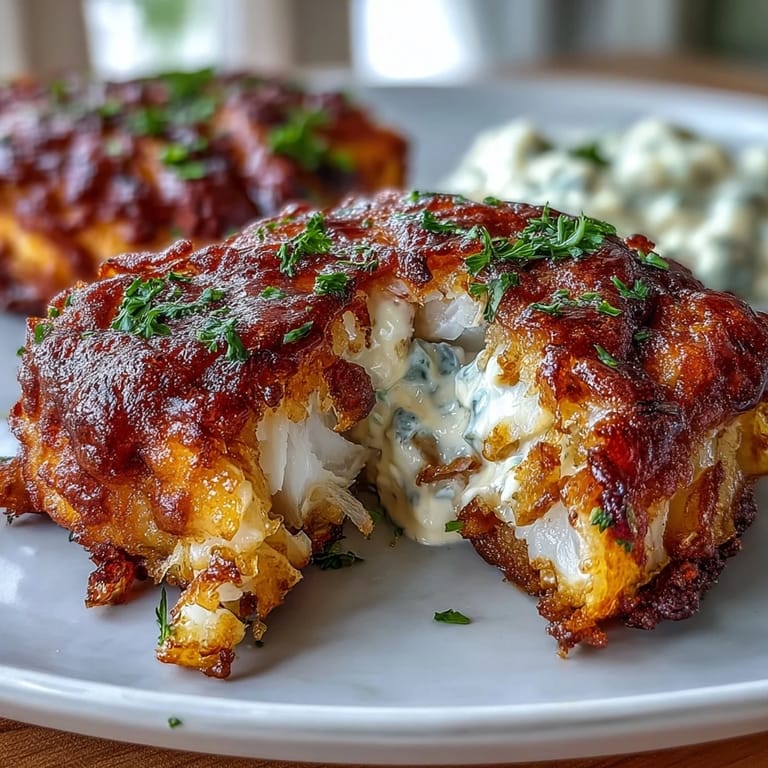
 My uncle's kitchen smelled like hot oil and cornmeal every Friday night, and I'd watch him pull golden catfish from the skillet like he was performing magic. He never measured anything, just moved with this quiet confidence that came from decades of practice. One evening I finally asked him to slow down, to let me actually see what he was doing, and that's when he taught me that crispy, salty exterior starts long before the fish hits the hot oil. This recipe is his, translated into measurements, but the soul of it lives in that moment when you hear the sizzle and know you've got something special coming.
I made this for my partner's parents one Sunday afternoon when I was trying to prove something I didn't need to prove, and their faces when they tasted it told me everything I needed to know. His mother asked for the recipe three times before I finally wrote it down, and his father asked if I'd go into business. It became the dish I make when I want to say something without words, when I want people to feel welcomed and cared for in that deep, bone-level way.
Ingredients
- Catfish fillets (4, about 6 oz each): These hold up beautifully to frying without falling apart, and their mild flavor lets the seasoning shine without overpowering the delicate meat.
- Buttermilk (1 cup): This soak isn't just tradition—the acidity tenderizes the fish and helps the coating adhere like it's meant to be there.
- Hot sauce (1 teaspoon for marinade, 2 teaspoons for sauce): Choose something with real heat and flavor, not just vinegar, because it becomes part of the identity of the dish.
- Yellow cornmeal (1 cup): Don't skip this or swap it for flour—it's what creates that signature texture and the gentle sweetness that balances the spices.
- All-purpose flour (1/2 cup): This helps the cornmeal cling and adds structure so the crust doesn't shatter away when you bite it.
- Paprika (1 teaspoon) and smoked paprika (2 teaspoons): The regular brings warmth, the smoked brings depth—together they're better than either alone.
- Garlic powder, onion powder, cayenne (1 teaspoon each, 1/2 teaspoon cayenne): These build in layers so no single flavor dominates the others.
- Salt and black pepper: Season confidently in the coating, then season again in the remoulade—layered seasoning is what separates good from memorable.
- Vegetable oil: Use something neutral that can handle high heat without burning or imparting flavor.
- Mayonnaise (1/2 cup): This is your sauce base, so use something you'd actually eat straight from the jar.
- Dijon mustard (2 tablespoons): This adds dimension and prevents the sauce from feeling one-note or cloying.
- Prepared horseradish (1 tablespoon): This is the secret ingredient that makes people ask what you did—it adds this nasal heat that wakes everything up.
- Sweet pickle relish (2 teaspoons): A tiny bit of sweetness and brine that catches you off guard in the best way.
- Fresh lemon juice (1 tablespoon): Squeeze it fresh, don't use bottled—the difference is noticeable and worth it.
- Fresh garlic clove (1 small, minced): Raw garlic in the sauce stays sharp and alive, making the whole thing sing.
- Fresh parsley (1 tablespoon chopped): This isn't just garnish—it adds a subtle green brightness that cuts through the richness.
Tired of Takeout? 🥡
Get 10 meals you can make faster than delivery arrives. Seriously.
One email. No spam. Unsubscribe anytime.
Instructions
- Build your flavor base:
- Whisk buttermilk and hot sauce together in a shallow dish, then submerge the catfish fillets completely. Let them sit for at least 15 minutes while you gather everything else—the fish will soften and the flavors will start their work.
- Mix your coating:
- Combine cornmeal, flour, paprika, garlic powder, onion powder, cayenne, salt, and black pepper in another shallow dish, stirring until the spices are evenly distributed with no little clumps hiding. This is where your flavor lives, so don't rush it.
- Get your oil ready:
- Heat about an inch of oil in a deep skillet or Dutch oven to 350°F—use a thermometer because guessing is how you end up with either pale fish or burnt edges. The oil should shimmer but not smoke, and it should feel alive when you move your hand near it.
- Coat with intention:
- Lift each fillet from the buttermilk, let the excess drip away for a few seconds, then lay it in the cornmeal mixture and press gently but firmly so the coating sticks rather than just sits on top. Flip it, coat the other side, and set it on a clean plate while the oil comes to temperature.
- Fry in batches:
- Don't crowd the pan—work in two batches if you need to, because the temperature will drop if you do too much at once and you'll end up with soggy fish instead of crispy. Fry for 3 to 4 minutes per side until the coating is deep golden and the fish flakes easily when you test it with a fork.
- Drain and rest:
- Transfer each fillet to a paper towel-lined plate immediately so it stays crispy as it cools slightly. Don't cover it or the steam will soften what you worked to create.
- Make your sauce:
- While the fish is cooking, whisk together mayonnaise, Dijon mustard, horseradish, hot sauce, pickle relish, lemon juice, garlic, smoked paprika, and parsley in a bowl, then taste and season with salt and pepper. The sauce should taste like it's got personality—a little sharp, a little sweet, a little hot all at once.
- Serve while it matters:
- Plate the catfish hot and serve the remoulade on the side so people can use as much as they want and the fish stays at its crispest.
 Save to Pinterest
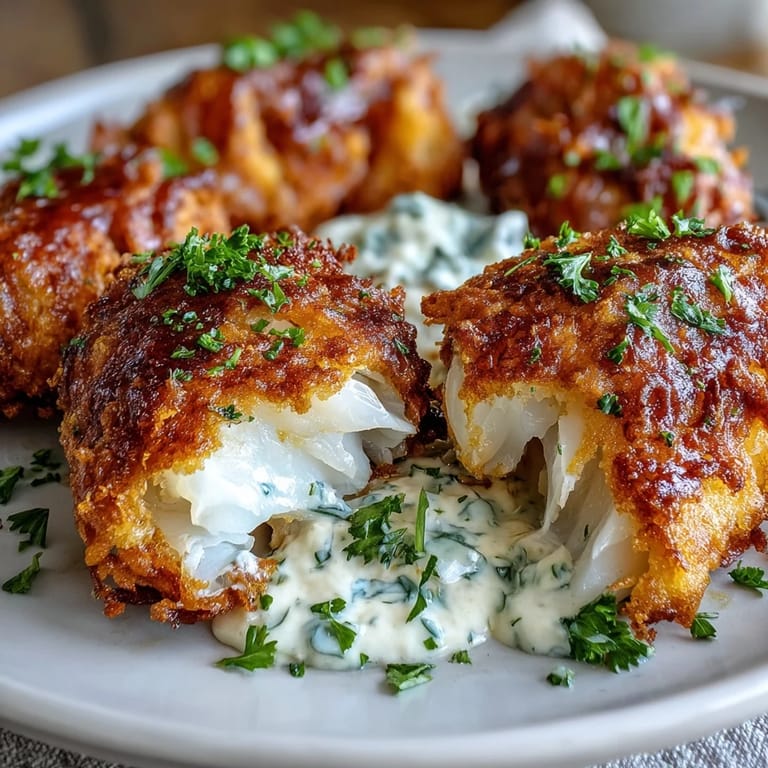
 There's a moment when you bite into properly fried catfish where the crust shatters and releases steam and the fish is just tender enough to disappear on your tongue, and that's when food stops being sustenance and becomes a small act of grace. This dish does that every time you get it right, which is why it matters enough to do it carefully.
The Art of the Crust
The difference between good fried fish and the kind you remember comes down to respecting the cornmeal and protecting your oil temperature. I learned this by failing several times—by using old cornmeal that had lost its texture, by letting my oil get too hot or drop too cool, by overcrowding the pan because I was impatient. The texture you want is delicate but sturdy, golden but not dark, and it only happens when every variable aligns.
Remoulade: The Forgotten Star
Most people think the fish is the main event, but the remoulade is what transforms a good meal into something people talk about days later. The horseradish is the ingredient that does this—just enough to make you pause and wonder what you're tasting, without being so much that it overwhelms. Make it fresh, taste it, adjust it, and remember that the sauce should be confident enough to stand on its own but humble enough to support the fish rather than overshadow it.
Sides and Serving Suggestions
Crispy catfish belongs next to bright, acidic, or creamy things that echo or contrast its richness without competing with it. I've served it with slaw that's almost aggressively vinegary, with hush puppies that add another layer of crunch, with creamy grits that become this luxurious platform for each bite. The plate composition matters as much as any single component because you're building an experience, not just assembling food.
- Creamy coleslaw with a sharp vinegar bite cuts through the richness and cleanses your palate between bites.
- Hush puppies add textural contrast and create this nostalgic completeness that feels intentional rather than random.
- Serve with lemon wedges for people who want to squeeze brightness directly onto their fish, because some bites should taste like the ocean and sunshine together.
 Save to Pinterest
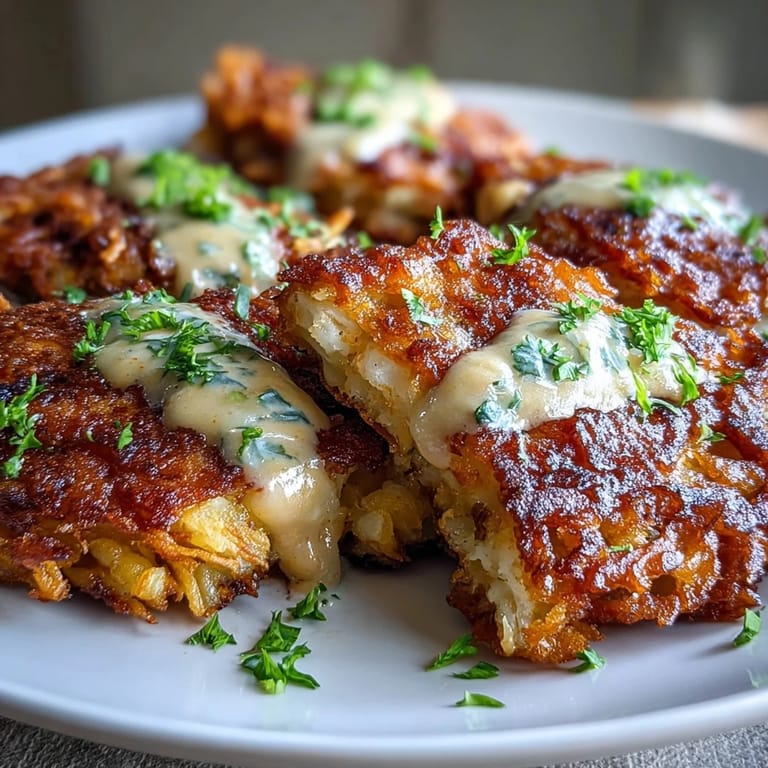
 This dish tastes like home and effort and love, and it's simple enough that you can make it on a regular Tuesday but special enough that it feels like celebration. That's the sweet spot where all the best food lives.
Recipe FAQs
- → How do I achieve a crispy coating on the catfish?
Marinate the fillets in buttermilk and hot sauce, then coat them thoroughly with a seasoned cornmeal and flour mixture before frying in hot oil until golden brown.
- → Can I substitute the catfish with another fish?
Yes, tilapia or cod can be used as alternatives, maintaining similar cooking times for crispy, tender results.
- → What is the best oil to use for frying?
Vegetable oil is ideal for frying due to its high smoke point and neutral flavor, ensuring even, crisp frying.
- → How can I make the remoulade sauce more tangy?
Increase the amount of Dijon mustard, lemon juice, or hot sauce to intensify the tangy and spicy notes of the sauce.
- → Is double-dipping the fillets recommended?
Yes, dipping the fillets again in buttermilk and the cornmeal mix before frying adds an extra crunchy layer.