 Save to Pinterest
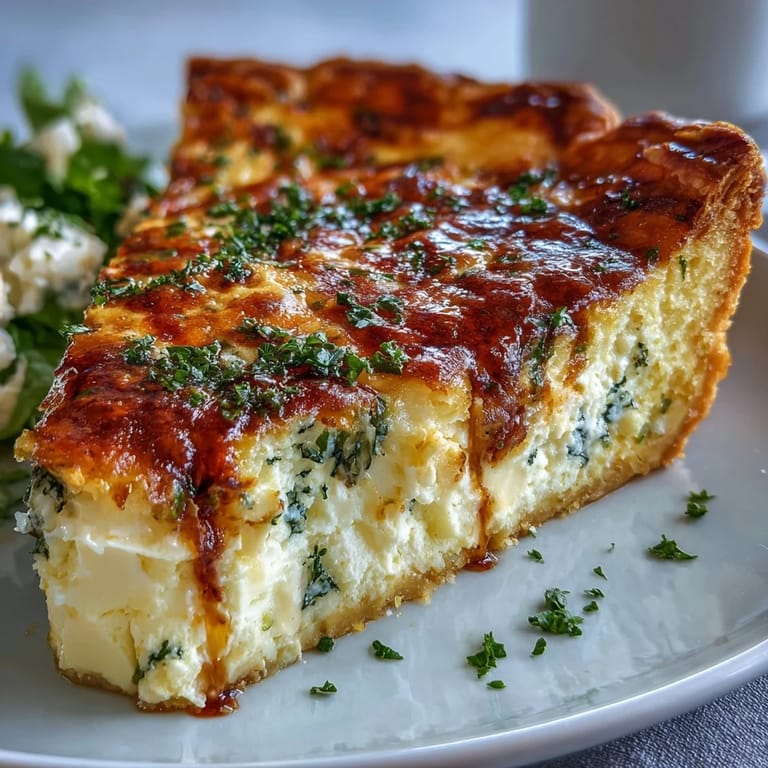
 My neighbor knocked on my kitchen door one Saturday morning with a bundle of fresh asparagus from her garden, asking if I knew what to do with it. That conversation sparked something—a memory of my grandmother's elegant brunches where everything felt effortless but tasted like pure luxury. I'd always assumed quiches were complicated, but when I finally tried making one, I realized the magic was in the simplicity: good eggs, silky cream, and a handful of quality ingredients letting each other shine. This asparagus and Brie version became my go-to whenever I need to impress without stress, and now it's the dish people actually ask me to bring.
I made this for my mom on Mother's Day without telling her what was coming, and watching her face when she took the first bite—that moment when you can tell someone's genuinely surprised and delighted—made the whole thing worth it. She kept saying she couldn't believe the asparagus stayed so tender, and the kitchen smelled like this perfect combination of caramelizing butter and fresh herbs. It became our thing after that, the dish she requests now instead of going out to brunch.
Ingredients
- Ready-made pie crust (9-inch): This is your permission slip to skip the tedious pastry-making and focus on what matters; if you want to use homemade, that works beautifully too, but don't feel obligated.
- Asparagus (1 cup, cut into 1-inch pieces): The brief blanch before assembly keeps the spears tender and bright green instead of turning murky in the oven; this step changed everything for me.
- Shallot (1 small, finely diced): Don't skip this—shallots add a whisper of sweetness and sophistication that regular onions can't quite match.
- Eggs (5 large): Room temperature eggs whisk smoother and create a more delicate custard, though if you forget to set them out, it's honestly fine.
- Whole milk and heavy cream (3/4 cup plus 1/4 cup): The combination gives you richness without being overwhelming; using all cream makes it too heavy, and all milk feels thin.
- Brie (5 oz, rind removed): The rind comes off because it tastes bitter once baked; cutting it into small cubes helps it distribute evenly instead of pooling in one spot.
- Salt, black pepper, and nutmeg: A tiny pinch of nutmeg sounds strange until you taste it—it adds warmth and makes people ask what the secret ingredient is.
Tired of Takeout? 🥡
Get 10 meals you can make faster than delivery arrives. Seriously.
One email. No spam. Unsubscribe anytime.
Instructions
- Prep your crust:
- Preheat your oven to 375°F and fit the pie crust snugly into a 9-inch tart pan, then prick the base gently with a fork so steam can escape. This small step prevents the bottom from puffing up and getting soggy.
- Blind bake for structure:
- Line the crust with parchment paper, fill it with pie weights or dried beans, and bake for 10 minutes until the edges start to set. Remove the weights and parchment, then give it another 5 minutes in the oven until it's light golden and smells toasty—you'll know it's ready when the aroma hits you.
- Blanch the asparagus:
- While the crust bakes, bring salted water to a rolling boil and drop in your asparagus pieces for exactly 2 minutes, then drain and spread them on a paper towel. This quick bath sets the color and texture so they stay tender instead of turning into mush in the custard.
- Whisk the custard base:
- Crack your eggs into a bowl and whisk them with milk, cream, salt, pepper, and that optional pinch of nutmeg until the mixture is smooth and slightly frothy. The whisking aerates the eggs, which creates a lighter, more delicate texture when it bakes.
- Layer and fill:
- Scatter the diced shallot and half of the asparagus across the crust, then pour in your custard mixture, and top with the remaining asparagus and Brie cubes distributed evenly. Seeing all those beautiful green spears nestled in there is when you know you've made something special.
- Bake until just set:
- Slide it into the oven for 30 to 35 minutes—the center should jiggle just slightly when you gently shake the pan, not wobble like water. The top will turn a pale golden color, and that's your signal to pull it out before it overcooks and gets rubbery.
- Let it rest:
- This is the hardest part because it smells incredible, but giving it 10 minutes to settle lets the custard finish setting gently and makes slicing cleaner. I usually use this time to set the table and pour myself a coffee.
 Save to Pinterest
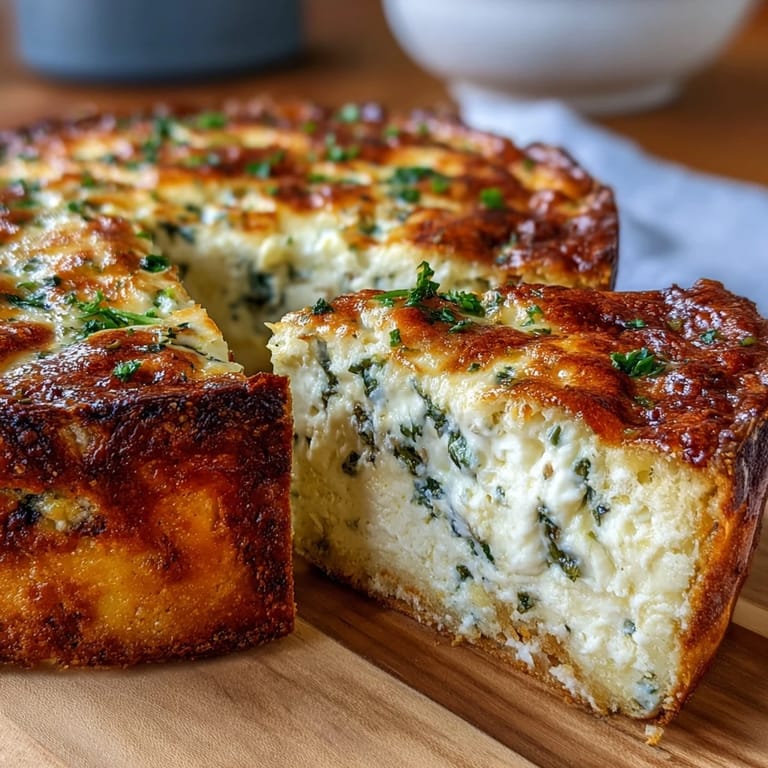
 There's something about a homemade quiche that transforms a regular morning into something you want to linger over, something worth setting a nicer table for. My sister started requesting this for her birthday brunches, and now it's become this recurring joke in our family that I'm the quiche person—and I'm completely fine with that.
The Secret to Silky Custard
The balance between eggs and dairy determines whether your quiche ends up delicate or dense, and I learned this the hard way by accidentally doubling the eggs once. The ratio here—5 eggs to about a cup of liquid—creates this perfect custard that's creamy without being eggy, and it bakes up with this subtle wobble in the very center that firms up as it cools. Room temperature eggs whisk in more air, which means a lighter texture, but honestly, cold eggs work fine too if you're in a rush.
Why Asparagus and Brie Are Perfect Together
Asparagus has this mineral, slightly grassy quality that could feel sharp on its own, but Brie wraps around it with this buttery, soft richness that makes everything feel elegant and complete. When the Brie melts into the custard during baking, it doesn't pool at the bottom like you might expect—it distributes throughout, adding this subtle umami that makes people close their eyes on the first bite. I've tried other cheeses out of curiosity, and goat cheese is nice if you want something tangier, but Brie is what makes this version feel like brunch instead of just eggs in a crust.
Timing and Temperature Matter More Than You Think
I've made this quiche at altitude and at sea level, in ovens that run hot and ovens that run cold, and the one constant is that you should always check it a few minutes before the recipe says to be done. Your oven's personality is as unique as your kitchen, so the first time you make this, pay attention to how it's browning and trust your instincts more than the timer.
- If the edges are browning too fast and the center is still liquid, cover the top loosely with foil and lower the oven temperature by 25 degrees.
- A quiche is done when the center jiggles like soft custard, not like soup—that tiny shimmy is what you're aiming for.
- Letting it rest isn't just tradition; it's the difference between slices that hold together and custard that runs all over your plate.
 Save to Pinterest
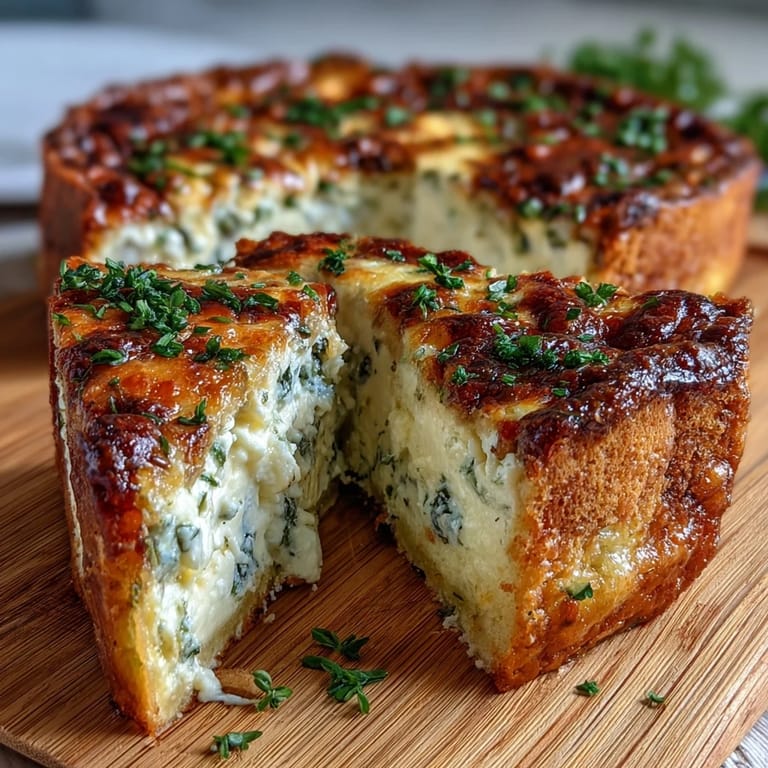
 This quiche has become my answer to the question of what to make when you want to feel generous and elegant without actually stressing yourself out. It's the kind of dish that makes people think you're more of a cook than you probably are, which is exactly the point.
Recipe FAQs
- → How should I prepare the asparagus?
Blanch asparagus pieces in boiling salted water for 2 minutes, then drain thoroughly before adding to the filling.
- → Can I use a homemade crust?
Yes, homemade shortcrust pastry works wonderfully and adds a personal touch to the dish.
- → What is the best way to ensure the crust stays crisp?
Blind bake the pie crust with parchment paper and weights for 10 minutes, then bake an additional 5 minutes uncovered for a golden finish.
- → How do I prevent the filling from becoming watery?
Properly drain blanched asparagus and whisk eggs, milk, and cream well to achieve a smooth, set texture without excess liquid.
- → Can I add herbs for extra flavor?
Fresh herbs like chives or dill can be added to complement the asparagus and Brie, enhancing the overall aroma and taste.