 Save to Pinterest
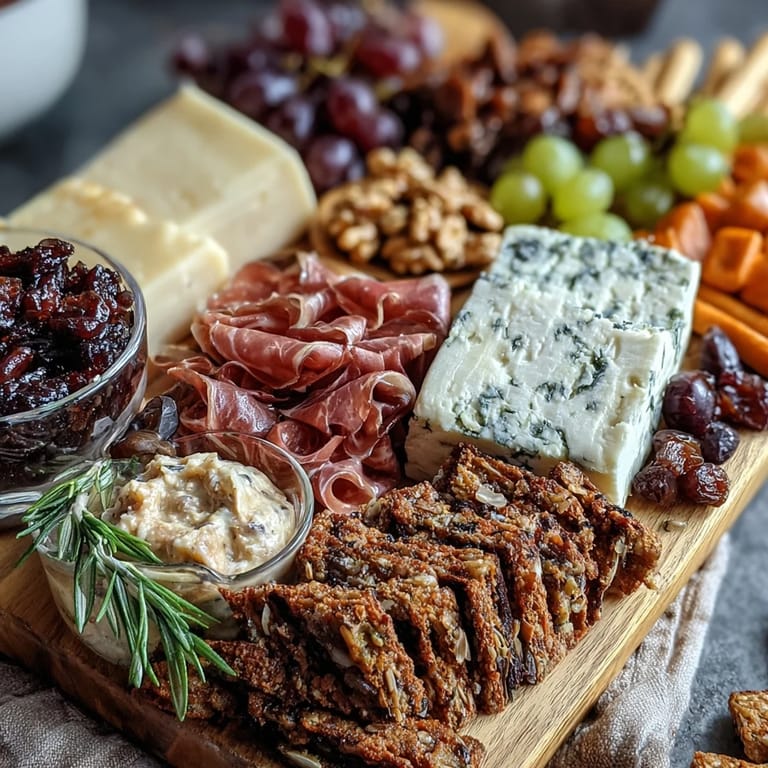
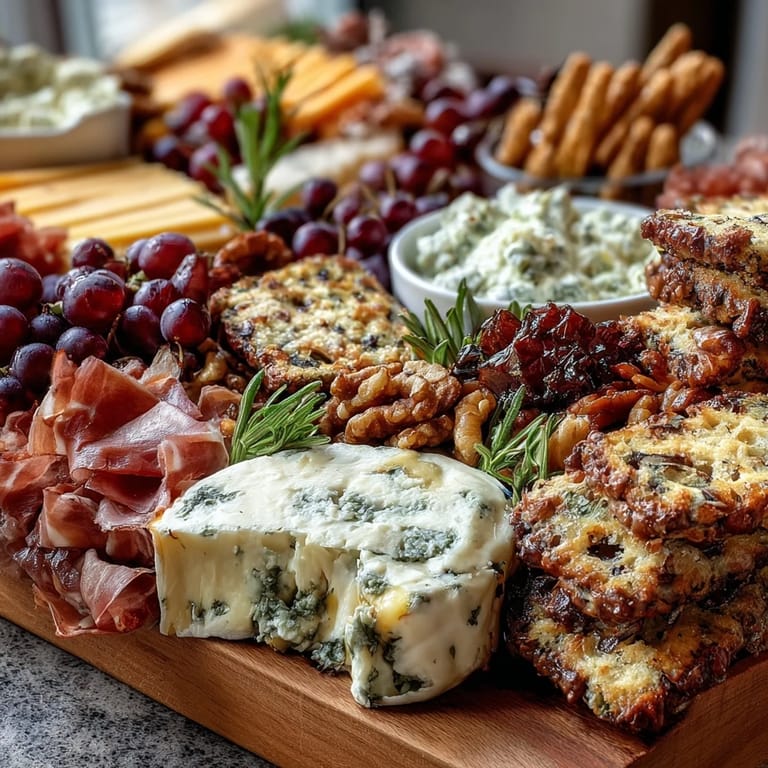
 Moving day chaos had finally settled, and my kitchen was still half unpacked when friends started arriving at the door. I'd promised them something special to celebrate the new place, but my oven was buried somewhere in a box. That's when I realized a charcuterie board wasn't just a backup plan—it was actually the perfect welcome. No cooking required, just thoughtful arrangement and genuine flavors coming together on one beautiful board.
I watched my friend Sarah's face light up when she saw the spread—not because it was fancy, but because it showed I'd thought about what each person might want. She headed straight for the blue cheese and figs while my brother loaded up on salami and olives. That's when I understood the real magic wasn't in any single ingredient; it was in creating a space where everyone could eat exactly what made them happy.
Ingredients
- Prosciutto (120 g): The salt and delicate texture of prosciutto sets a sophisticated tone, so don't skip it even though it's pricey—a little goes a long way when you fold it loosely.
- Salami (120 g): Choose a quality version with visible marbling because those little fat streaks are where all the flavor lives.
- Smoked ham (120 g): This bridges the gap between adventurous eaters and those who want something familiar and comforting.
- Chorizo slices (100 g): The paprika brings warmth and color, so arrange these where they'll catch the light.
- Brie (150 g): Slice it just before serving so it stays creamy and doesn't dry out from sitting exposed.
- Aged cheddar (150 g): Cubing rather than slicing makes it easier to grab and adds visual texture to the board.
- Gouda (120 g): Its subtle sweetness anchors the board and complements both the meats and the fruits beautifully.
- Blue cheese (100 g): Crumble it by hand rather than buying pre-crumbled because it stays fresher and looks more intentional.
- Hummus (100 g): This is your vegetarian anchor and gives the board soul beyond just meat and cheese.
- Tzatziki (100 g): The coolness and garlic make it addictive with vegetables, so don't let anyone overlook it.
- Roasted red pepper dip (100 g): This is the one that people always come back to without realizing why—it's sweet, smoky, and somehow works with everything.
- Assorted crackers (150 g): Mix textures deliberately: delicate water crackers for soft cheeses, heartier multigrain for the dips.
- Baguette slices (100 g): Toast them lightly an hour before guests arrive so they're crisp but not rock-hard.
- Breadsticks (100 g): These are your tall architecture elements that make the board feel abundant and layered.
- Red and green grapes (2 cups total): Their sweetness balances the salty meats, and keeping them on the bunch looks stunning.
- Cherry tomatoes (1 cup): Leave them whole and they become little flavor bombs that refresh your palate between bites of richer foods.
- Cucumber slices (1 cup): These feel like a palate cleanser and pair especially well with the tzatziki.
- Red bell pepper (1 whole): Slice it into strips rather than rings so guests can easily grab one with dip.
- Baby carrots (1 cup): Raw and sweet, they're the thing people eat without thinking because they're so accessible.
- Mixed nuts (½ cup): Toast them lightly at 350°F for five minutes before arranging to intensify their flavor and aroma.
- Olives (½ cup): Buy pitted to save your guests the awkwardness, and mix green and black for visual interest.
- Dried apricots and figs (½ cup combined): These provide pockets of concentrated sweetness that people keep returning to.
- Fresh herbs (rosemary and thyme): Scatter whole sprigs as garnish—they look beautiful and release fragrance as people move things around.
Tired of Takeout? 🥡
Get 10 meals you can make faster than delivery arrives. Seriously.
One email. No spam. Unsubscribe anytime.
Instructions
- Start with meat as your foundation:
- Gently fold each slice of prosciutto and salami into loose, organic shapes rather than laying them flat—this creates height and catches light beautifully. Layer the smoked ham and chorizo slices around them, letting colors blend naturally instead of organizing by type.
- Position cheeses for balance:
- Place your soft brie in one zone, scatter the cheddar cubes in another section, arrange gouda slices in a third area, and crumble blue cheese into a fourth. This way guests can explore different flavor combinations as they move around the board.
- Nestle dips strategically:
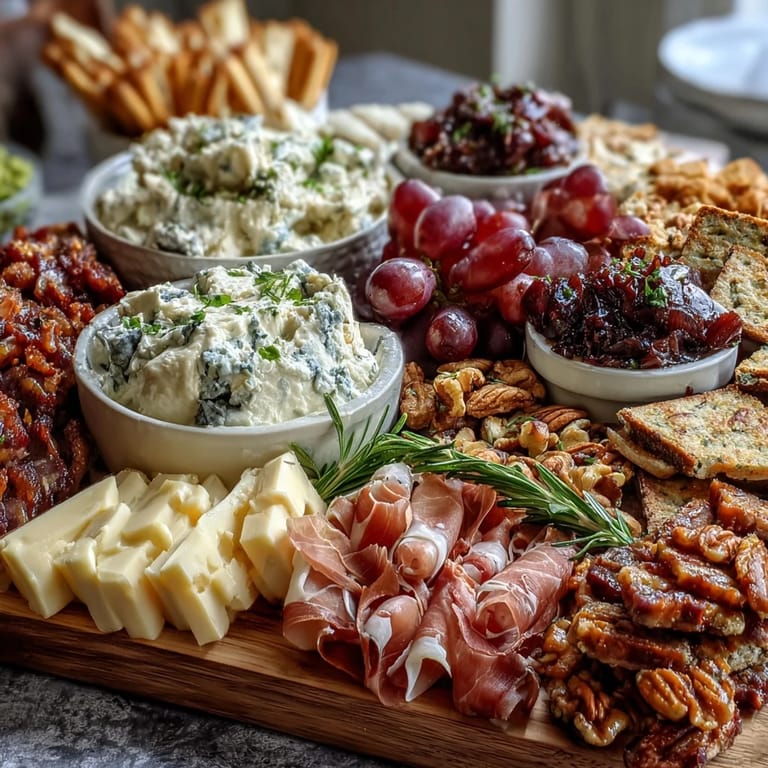
- Spoon each dip into its own small bowl and tuck them into natural spaces among the other items. This prevents dips from spreading into everything else and gives them their own little gathering spots.
- Create carb pathways:
- Arrange crackers, baguette slices, and breadsticks in fanned-out sections rather than piling them—think of them as gentle highways that help guide people's hands across the board. Leaving small gaps between crackers makes them easier to grab.
- Fill empty spaces with color and freshness:
- Grapes, cherry tomatoes, cucumber slices, and bell pepper strips become both sustenance and visual relief from the heavier items. Let them flow naturally rather than creating rigid patterns.
- Scatter nuts, olives, and dried fruit like little treasures:
- Small clusters of mixed nuts, scattered olives, dried apricots, and figs add surprise elements that keep people discovering new combinations. These small bites also help extend the board if people eat more than you anticipated.
- Garnish with fresh herbs and serve:
- Tuck whole sprigs of rosemary and thyme around the board just before guests arrive so they look fresh and release their fragrance. Serve immediately and stay nearby to replenish crackers, grapes, and any items that disappear first.
 Save to Pinterest
 Halfway through the evening, I noticed people were mixing flavors in ways I hadn't anticipated—someone layered three types of cheese on a single cracker, someone else dunked a grape in tzatziki and swore it was genius. That's when I realized a charcuterie board isn't a recipe to follow perfectly; it's an invitation for people to play and discover what works for their own palate.
The Psychology of a Perfect Board
There's something about the abundance and variety of a charcuterie board that makes people relax. They're not waiting for a main course, they're not sitting at a formal dinner—they're grazing, talking, discovering. I learned this by watching how differently people behaved around the board versus sitting at a table with plates. The conversation flowed better, the laughter came easier, and somehow everyone ate less but enjoyed it more because they were choosing exactly what they wanted at each bite.
Building Flavor Layers
The true elegance of a charcuterie board is that every pairing tells a different story. The salty richness of prosciutto with creamy brie feels elegant, while the same brie with a tart dried apricot becomes playful and modern. Add roasted red pepper dip to aged cheddar and suddenly you have something entirely different. I started thinking about the board less like a platter and more like a flavor palette where each person becomes the artist, mixing colors and tastes until they find their perfect combination.
Timing and Execution
The difference between a board that's been sitting for three hours and one that was just arranged comes down to a few details that took me several attempts to learn. Soft cheeses dry out and crack, meats can curl at the edges, and crackers absorb moisture from everything around them if you're not strategic. Building the board closer to serving time, keeping items at proper temperature, and understanding which components are most fragile means your board looks intentional and fresh the entire time people are eating.
- Prep all vegetables and arrange the board structure 30 minutes ahead, but leave soft cheeses, meats, and crackers for the last 15 minutes before guests arrive.
- Keep a small plate of backup crackers in the kitchen because the first items to disappear are always the good crackers, and you'll want fresh ones to offer.
- Place items guests might be hesitant about near the center where they'll naturally reach them—visibility often determines whether something gets tasted or overlooked.
 Save to Pinterest
 This board has become my go-to for celebrating almost anything—new jobs, quiet dinners with old friends, impromptu gatherings when I'm too tired to cook. There's genuine generosity in offering people choices and letting them create their own perfect bite.
Recipe FAQs
- → What are ideal meats for this board?
Cured selections like prosciutto, salami, smoked ham, and chorizo offer a balanced variety of flavors and textures.
- → Which cheeses pair well with the meats?
Soft and hard cheeses such as brie, aged cheddar, gouda, and blue cheese complement the savory meats perfectly.
- → How should the dips be presented?
Serve dips like hummus, tzatziki, and roasted red pepper in small bowls nestled among other components for easy access.
- → What fresh produce works best on the board?
Fruits and vegetables like grapes, cherry tomatoes, cucumber slices, bell pepper, and baby carrots add color and freshness.
- → Can this board accommodate dietary preferences?
Yes, meats or cheeses can be substituted, gluten-free crackers can be included, and sweet additions like honey or fig jam enhance flavor variety.