 Save to Pinterest
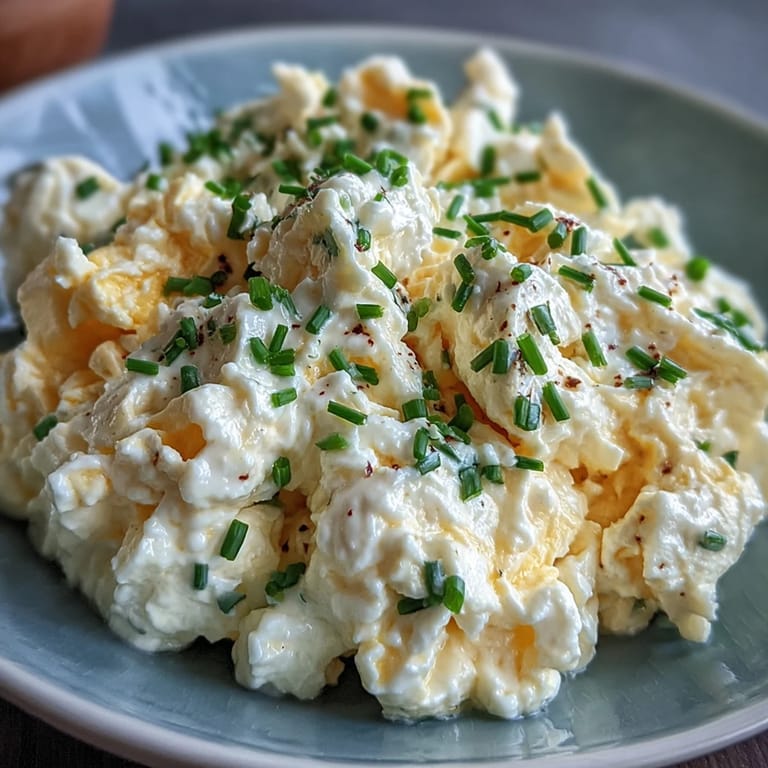
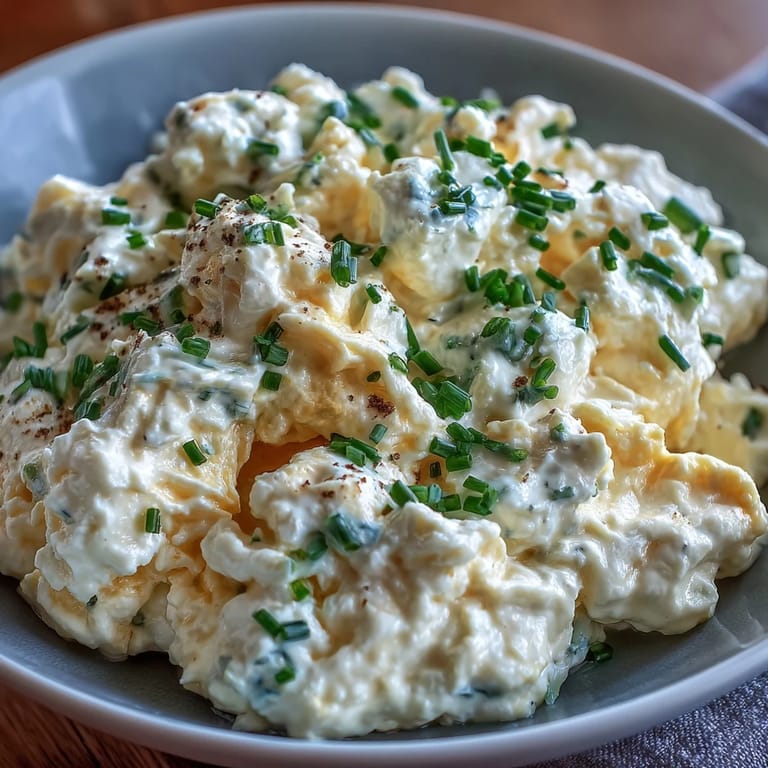
 Some mornings, the quiet in my kitchen is broken only by the gentle crack of eggs and the bubbling melt of butter in a pan. It was on one of those early starts, with the spring sun poking through the window, that I first tried folding cottage cheese into my scrambled eggs. What began as curiosity quickly became habit, thanks to the creamy texture and extra boost of protein it added. Now, whenever I crave a breakfast that's both cozy and energizing, this protein-packed scramble is my move. It’s the kind of breakfast that fills you up without slowing you down.
Once, I whipped up a double batch of these eggs for an impromptu brunch after a morning walk with a friend—neither of us expected to eat so well with so little planning. The cottage cheese surprised her, but after one bite, she asked for the recipe on the spot. There’s something about serving these eggs right out of the skillet, scattered with fresh chives, that turns a regular morning into something a little more memorable. Even my neighbor, drawn in by the smell, ended up staying for a plate. It’s a dish that always seems to make extra just in case someone drops by.
Ingredients
- Eggs: Fresh eggs are the star here—crack them cold straight from the fridge for a softer scramble.
- Cottage cheese: Go for low-fat or full-fat to suit your taste; I’ve learned full-fat makes the eggs extra luscious, but low-fat is still delicious.
- Unsalted butter: Butter gives those telltale golden edges, and unsalted lets you control the seasoning precisely.
- Chives or green onions: A bright fresh finish—you can swap in any leafy herb you have on hand.
- Salt: Just 1/4 teaspoon is enough to draw out the richness from the eggs and cheese.
- Black pepper: Freshly cracked is best; a pinch brings warmth without overpowering.
Tired of Takeout? 🥡
Get 10 meals you can make faster than delivery arrives. Seriously.
One email. No spam. Unsubscribe anytime.
Instructions
- Whisk the eggs:
- In a medium bowl, whisk the eggs, salt, and pepper briskly until the yolks and whites are fully blended. The more air you whisk in, the fluffier your scramble will be.
- Fold in the cottage cheese:
- Gently stir in the cottage cheese, aiming to keep some of the curds intact for little pockets of creaminess.
- Heat the butter:
- Melt the butter in a nonstick skillet over medium-low heat until it foams quietly and smells nutty.
- Cook the eggs:
- Pour in the egg mixture and use a spatula to gently stir, scraping the skillet bottom as the eggs start to set in soft ribbons.
- Finish the scramble:
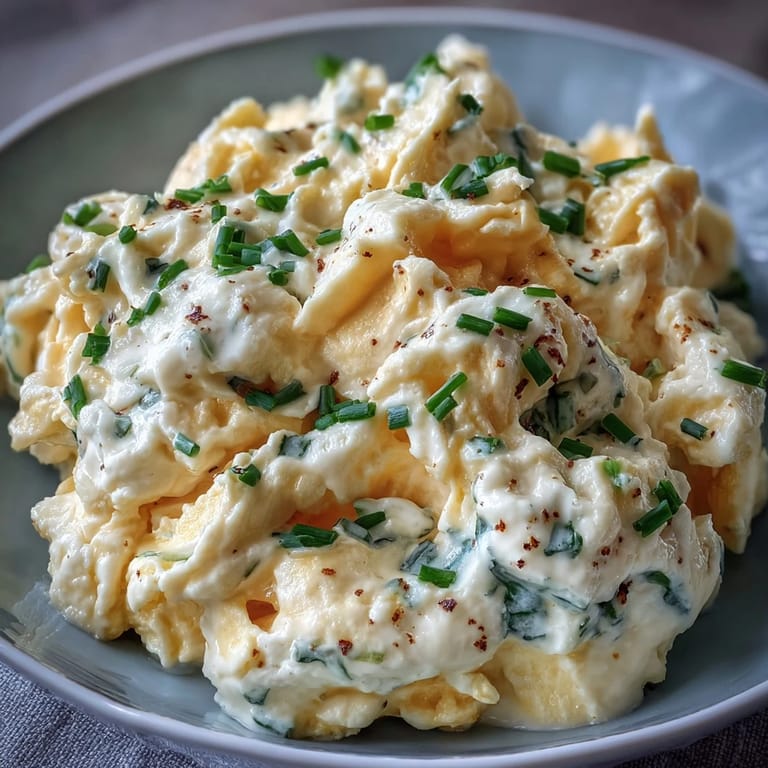
- Once the eggs look glossy and are softly set but still creamy (about 5-7 minutes), take the pan off the heat—don’t overcook.
- Add herbs and serve:
- Scatter with chives or green onions while still hot and buckle in for creamy, protein-packed goodness.
 Save to Pinterest
  Save to Pinterest
 One cold weekend, I made these eggs for my partner after we got soaked in a sudden rainstorm—something about the combination of warmth, comfort, and the satisfying protein made us both linger at the table longer than usual. Ever since, it's become my ritual for mornings that need an extra lift.
Making It Your Own
I’ve tried tossing in leftover baby spinach, chopped basil, or even a little smoked salmon when I’m craving more. The base is forgiving and adapts to whatever’s hiding in the crisper drawer. Even a shake of smoked paprika or a handful of roasted tomatoes makes a huge difference. If you’re feeling adventurous, try folding in soft goat cheese for tang instead of cottage cheese. There’s really no wrong turn with a simple start like this.
Serving Ideas That Really Work
My favorite way to serve these eggs is heaped on top of toasted whole-grain bread, especially on lazy Saturdays when I want something that feels brunchy without a fuss. I’ve also paired them alongside a handful of salad greens or roasted sweet potato for lunch—surprisingly satisfying. When I’m in a hurry, just a hot mug of tea and these eggs is enough. The creamy texture turns even the plainest sides into something special. Add a little fruit, and it’s a breakfast spread worthy of guests.
Little Things That Make a Big Difference
It’s always the tiny details that stand out. I learned to warm the cottage cheese just slightly before mixing so it doesn’t cool down the eggs in the pan, and cleaning up is a breeze if you rinse the spatula right away. Trust your instincts—if the eggs look a little shiny, pull them off the heat to maintain that velvety texture.
- If your pan is too hot, lift it off the burner for a few seconds to slow things down.
- Don’t skip the fresh herbs—they brighten up the whole dish.
- Taste for salt at the end since cottage cheese varies a lot in saltiness.
 Save to Pinterest
  Save to Pinterest
 May these creamy, protein-packed eggs bring a bit of comfort and energy to your morning routine. There’s real joy in turning simple ingredients into something so special, especially when you share it.
Recipe FAQs
- → How do I achieve creamy, soft curds?
Cook over medium-low heat and stir gently and continuously. Remove from the heat while the eggs are still slightly underdone—the residual heat will finish them, preserving a creamy texture.
- → Can I use full-fat or low-fat cottage cheese?
Both work; full-fat yields richer, silkier curds while low-fat keeps calories lower. Drain excess whey if your cottage cheese is very wet to avoid thinning the mixture.
- → What are good add-ins for extra flavor?
Chives or green onions brighten the dish. Try smoked paprika, baby spinach, diced turkey, or smoked salmon for added depth and protein.
- → How should I store leftovers?
Cool quickly, transfer to an airtight container, and refrigerate for up to 2 days. Gently reheat over low heat to avoid drying; add a splash of milk or butter if needed.
- → Is there a dairy-free alternative to cottage cheese?
Use silken tofu blended until smooth as a substitute and replace butter with olive oil. Texture and flavor will differ but the dish remains protein-forward.
- → Will adding cottage cheese change cooking time?
Cottage cheese increases moisture and slows coagulation slightly; plan for about 5–7 minutes of gentle cooking and pull the eggs off heat while still soft to avoid overcooking.